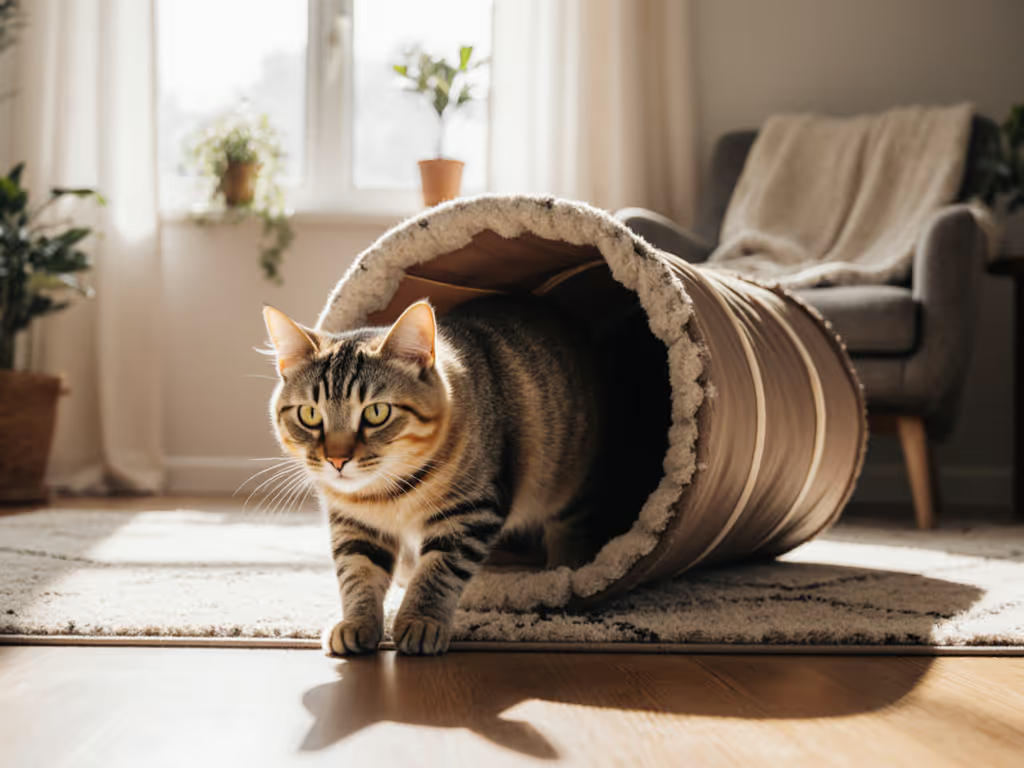
Cat Tunnel Materials: Durability vs Noise
By Mira Patel • 20th Apr
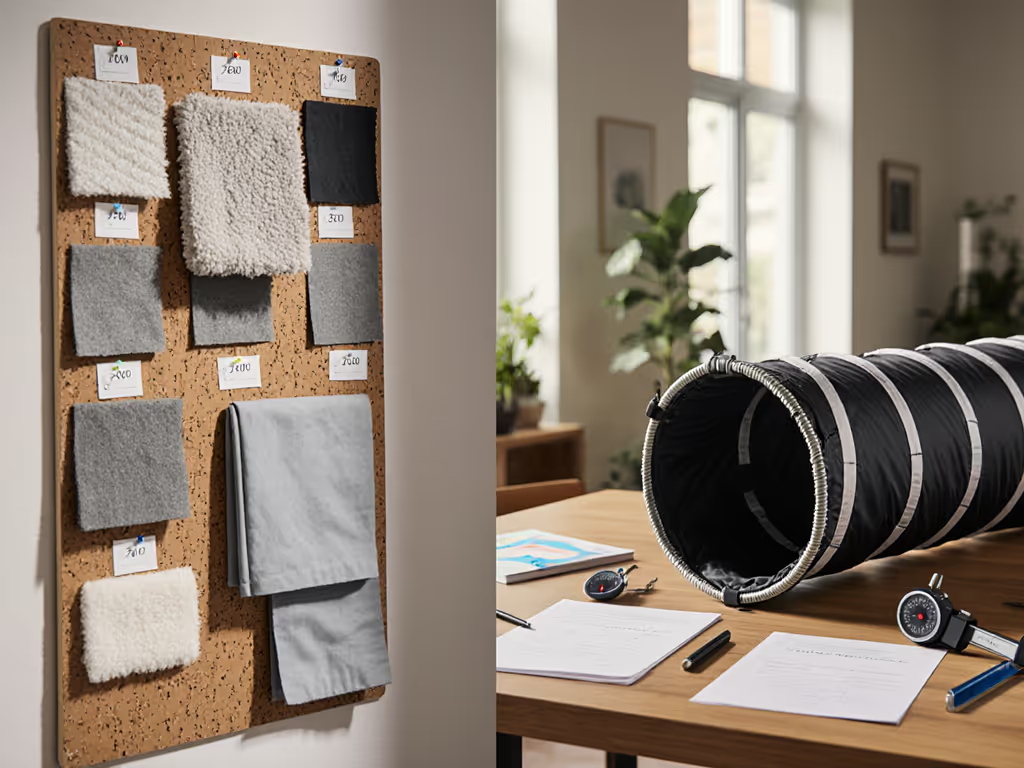
Cat tunnel material comparison decisions often come down to two competing priorities: a tunnel that survives aggressive scratching versus one that won't trigger 3 a.m. disturbances. The reality is more nuanced (and measurable) than marketing claims suggest.
After three months of logging every play session with my two indoor littermates, I discovered that the priciest tunnel gathered dust while a simple feather wand generated consistent engagement. That experience taught me one lesson: follow the prey sequence; measure minutes, not marketing claims. The same principle applies to materials. Durable cat tunnel materials aren't one-size-fits-all; they're trade-offs between structural integrity, sound profile, and how your cat actually uses the tunnel.
What's the Real Durability Question?
Polyester and Nylon: The Industry Standard
Polyester and nylon dominate the market for a reason: they resist punctures better than felt or fleece, and they're lightweight for collapsible designs. Polyester reinforced with steel wire rings performs well under claw pressure because the fabric doesn't fray easily and the metal frame holds its shape through repeated compression.
Here's where skepticism kicks in: manufacturers often claim "high-quality polyester" without defining quality metrics. Denier count (the fabric weight and thickness) matters far more than the label. A 600-denier polyester will outlast 300-denier by a measurable margin in multi-cat households. For a deeper look at how fabric choice affects longevity, see our fabric durability guide.
Multi-cat tunnel durability hinges on how often the tunnel gets used and how aggressively. Two cats playing tag through a tunnel daily face different wear patterns than a solo cat napping inside. The friction points (entry/exit edges and the seams where fabric meets frame) are where cheap tunnels fail first.
Felt, Fleece, and Cotton: Comfort Over Longevity
Felt and fleece excel at muffling sound and trapping body heat, which appeals to anxious, cold-prone, or senior cats. Cotton canvas offers breathability for heat-sensitive cats. The trade-off: these natural and natural-blend fabrics snag more easily under claws and show wear faster than synthetic alternatives.
Felt doesn't unravel like woven cotton, which is why it's often the base layer in hybrid designs. But felt pilling is real, so expect visible texture breakdown within 6-12 months of heavy use.
Which Materials Actually Control Noise?
The Acoustic Truth
Noise during tunnel play comes from two sources: fabric rustling as the cat moves, and the metal frame rattling. Felt and fleece absorb sound effectively because their fiber structure is dense and matte. Nylon and polyester have a slicker surface that creates more acoustic reflection (meaning a nylon tunnel will amplify the sound of a cat dashing through compared to a felt-lined tunnel).
If noise level testing matters in your home (roommates, light sleepers, hybrid-work calls), measure baseline decibel levels during a test period before committing. A quiet night with a polyester tunnel often means rustling under 60 dB. A felt tunnel typically stays at 50-55 dB under the same activity.
Here's the skeptical angle: some brands claim "whisper-quiet" materials without proof. Request product specs or trust reviews mentioning decibel measurements specifically, not vague adjectives. If you want quiet alternatives beyond tunnels, compare our low-noise crinkle toys.
The Metal Frame Factor
Regardless of fabric, a tunnel's frame matters for noise. Steel rings welded or riveted securely stay silent. Loose rings or poor welds create rattling. During your assessment, gently shake the tunnel in-store or ask about frame construction quality.
Do Expensive Materials Justify the Cost?
The Price-to-Performance Framework
Markup happens at every tier. A $30 polyester tunnel and a $60 polyester tunnel may use the same base fabric but differ in frame gauge, seam stitching, and aesthetic finishes. The $60 version isn't necessarily twice as durable, often you're paying for branding or design.
Hybrid constructions (felt bases with fleece mats or removable cotton liners) bridge durability and comfort at mid-range prices. They allow material rotation if one layer wears; you can retire the lining while the frame stays intact.
Budget alignment: if your cat uses the tunnel 15-30 minutes daily, a mid-tier ($35-50) polyester or hybrid tunnel will last 18-24 months before visible degradation. Heavier use (multi-cat or play-obsessed kitten) drops that to 12-18 months.
How Multi-Cat Dynamics Change Material Needs
In multi-cat households, tunnel safety standards shift. For space constraints and multi-cat setups, see our cat tunnel comparison. A tunnel needs structural integrity to handle repeated impact and territorial scuffles. Flimsy materials that collapse under weight create stress and frustration.
Fabric tunnel longevity also depends on whether cats use the tunnel cooperatively or as an ambush point. If one cat hides inside while another pounces repeatedly, seams experience concentrated stress. Reinforced stitching (double or triple seams) and gusset construction at stress points become critical.
Mesh-reinforced designs with steel rings distribute weight better than single-layer fabrics in multi-cat scenarios. They also deter cats from chewing or scratching through weak spots, as the rigid structure provides feedback.
The Prey Profile Match Framework
Material choice connects to play style. A tunneler cat (one that stalks, creeps, and hides) benefits from felt or fleece because the enclosed warmth and acoustic dampening reward cautious, prolonged occupation. A sprinter cat (one that races through tunnels at full speed) benefits from durable, low-friction polyester that won't snag mid-dash.
If your cat's prey profile is ambiguous, test both. Run a two-week trial with a felt tunnel, log engagement minutes and crash-out time. Then switch to polyester for two weeks under identical conditions. The data will reveal which material encourages your cat's natural hunting sequence.
Follow the prey sequence; measure minutes, not marketing claims.
This isn't overthinking, it's the difference between a toy that gets used daily and one that becomes floor clutter.
Material Comparison at a Glance
| Material | Durability | Noise Level | Best For | Lifespan (Heavy Use) |
|---|---|---|---|---|
| Polyester (high-denier) | Excellent | Moderate (rustling) | Multi-cat, sprinters, renters | 18-24 months |
| Nylon | Very good | Moderate to high | Portability, outdoor/indoor | 16-20 months |
| Felt | Good | Low | Anxious cats, quiet homes, burrowers | 12-18 months |
| Fleece | Good | Low | Senior or cold-prone cats | 12-18 months |
| Hybrid (felt + fleece) | Very good | Low | Mixed households, multi-cat | 18-24 months |
| Cotton canvas | Fair | Low to moderate | Heat-sensitive cats, warm climates | 10-15 months |
Avoiding the Durability Trap
Cheap plastics and thin fabrics (under 300 denier) collapse within weeks. Seams that aren't reinforced split under normal use. Metal frames that aren't sturdy bend out of shape, making the tunnel uncomfortable or unusable.
Red flags: tunnels priced under $20 (often corners cut), vague fabric descriptions ("premium material" without specs), flimsy packaging, or reviews mentioning seam failure within a month.
The Measurement Question
Before you buy, define your success metric. Is it longevity (minimum 18 months of daily use)? Noise (under 55 dB during peak play)? Aesthetic fit (neutral colors, minimal visual footprint)? Or a combination?
Once installed, track tunnel use for a baseline week. Note the time your cat spends inside, any play interruptions, and whether behavior improves (fewer night zoomies, reduced inter-cat tension). Material choice amplifies engagement or dampens it; the data will show which.
Further Exploration
Your next step depends on what you've measured. If noise is the constraint, prioritize felt or fleece despite shorter lifespan, the acoustic benefit outweighs durability trade-offs in noise-sensitive homes. If durability matters most (multi-cat, rental with deposit concerns, or budget-conscious long-term thinking), hybrid constructions or high-denier polyester deliver better protection per dollar.
Consider starting with one tunnel using a material that matches your primary pain point, then rotate or add alternatives as you learn your cat's tunnel preferences. A prey profile match isn't guesswork, it's a result of observation, logging, and material-specific testing.
What gets measured gets improved. Start there. Use our scientific toy testing guide to set up logging, decibel checks, and durability tracking.
Related Articles