
Stop Buying Ignored Toys: Scientific Cat Toy Testing
By Hana Tanaka • 7th Feb
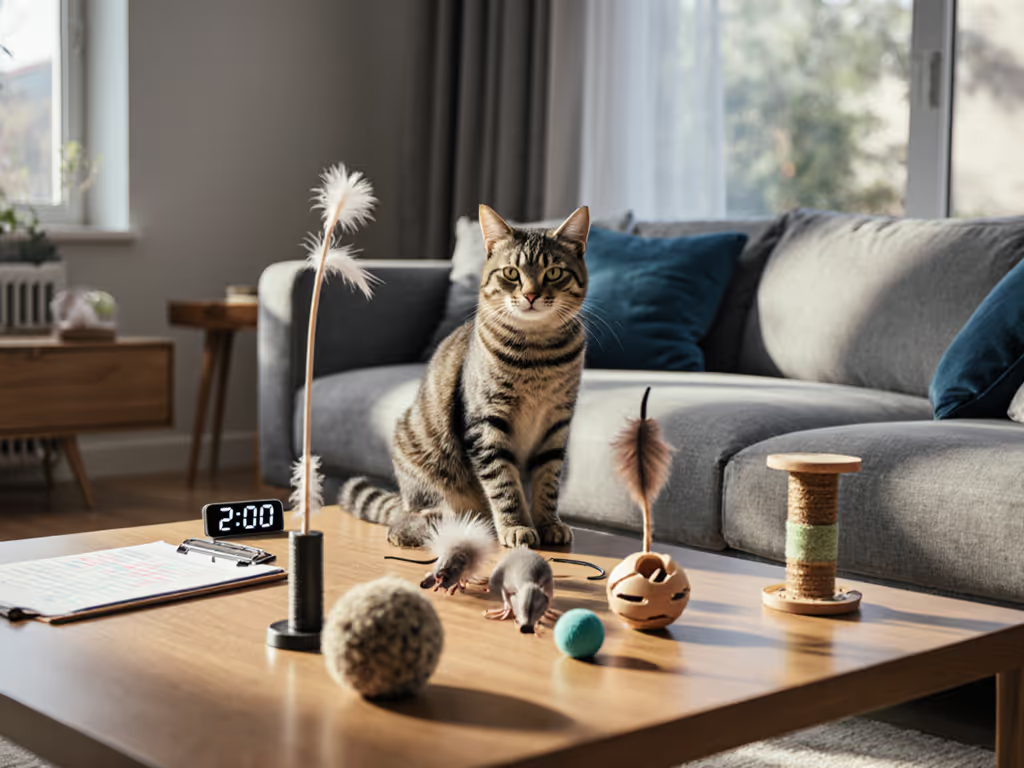
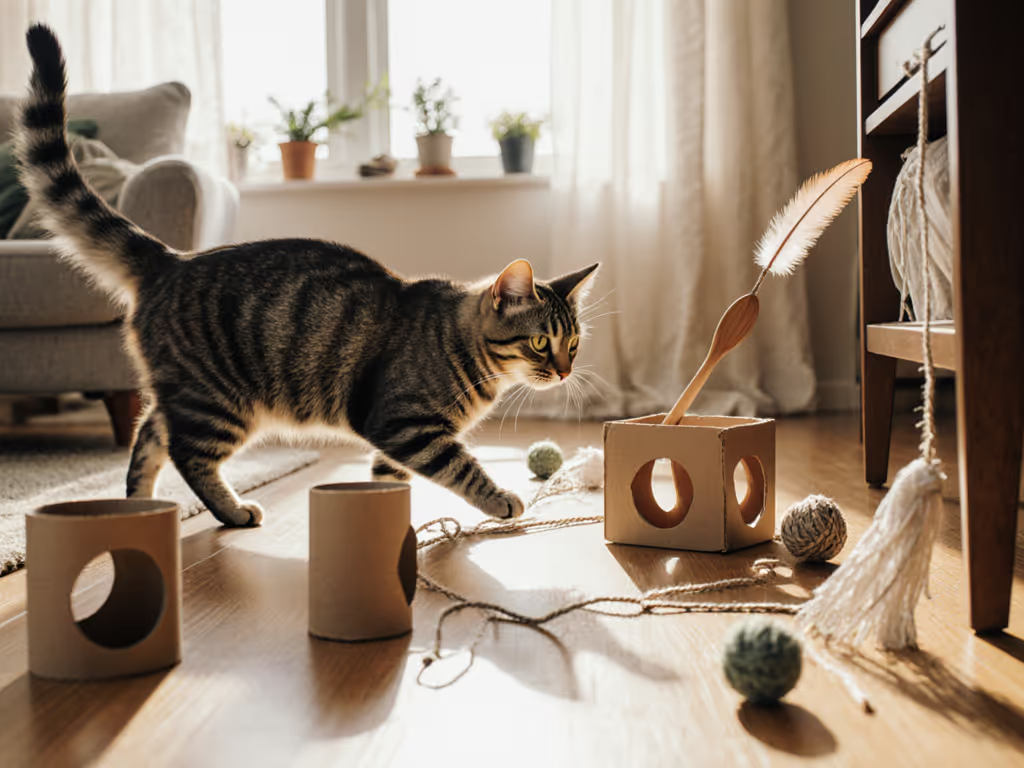
If you've ever tossed another toy into that growing pile of ignored cat entertainment, only to watch your cat prefer crumpled paper, you're not alone. But what if I told you a simple cat toy testing protocol could transform your spending and playtime? This scientific toy evaluation method isn't about lab coats or complex equipment (it's about understanding what truly engages your cat through observation, not guesswork). Forget expensive gadgets that collect dust; today I'll share how to turn your playtime into meaningful connection with minimal effort.
In my years working with anxious cats in small spaces, I've seen countless guardians overwhelmed by the "perfect toy" marketing. They'd try everything, clutter their tidy apartments, then feel guilty when their shy cat ignored it all. But tiny sessions, big trust became my mantra, just like with my former street cat who hid under the bed. She taught me that five minutes of consistent, quiet observation was far more valuable than any expensive toy collection.
Why Toy Testing Matters for Your Home
Buying toys your cat ignores isn't just about wasted money. It creates visual clutter in small spaces, triggers guilt when you see them unused, and, most importantly, misses opportunities to meet your cat's innate prey drive. Without proper toy engagement metrics, you're left guessing what actually works. The good news? You don't need professional equipment to measure what matters. Real cat toy effectiveness measurement happens right in your living room through simple observation.
Your Step-by-Step Home Testing Protocol
Step 1: Create Your Baseline Observation (2 Minutes)
Before introducing any toy, observe your cat's natural behaviors for just two minutes. Note:
- What captures their attention naturally (dust motes, shadows, string ends)
- Their preferred movement patterns (sudden bursts vs slow stalking)
- Current energy levels (is it pre-zoomies time or post-nap calm?)
This "pre-test" is your control group (essential for standardized play testing). Documenting these patterns helps you match toys to your cat's authentic preferences, not what marketers say they should like.
Five minutes daily beats any gadget in the closet.
Step 2: The 90-Second Engagement Test (Your First Two-Minute Win)
Introduce one toy at a time for exactly 90 seconds. Track these toy engagement metrics:
- First response time: How quickly did they notice it? (Under 5 seconds = high interest)
- Sustained focus: How many seconds of uninterrupted play?
- Body language: Ears forward? Tail twitch? Paw taps? Full pounce?
- Self-termination: Did they walk away, or did you have to remove it?
Pro Tip: Keep a small notebook or digital note with preset categories. Just checking boxes takes seconds but creates invaluable data. This is play session documentation made manageable for busy guardians.
Step 3: The Rotation Decision Framework
After testing 3-5 toys over a week, categorize each:
- Keepers: Consistently trigger 45+ seconds of focused play
- Maybe: Occasional interest but inconsistent (rotate monthly)
- Donate: Ignored for three consecutive tests
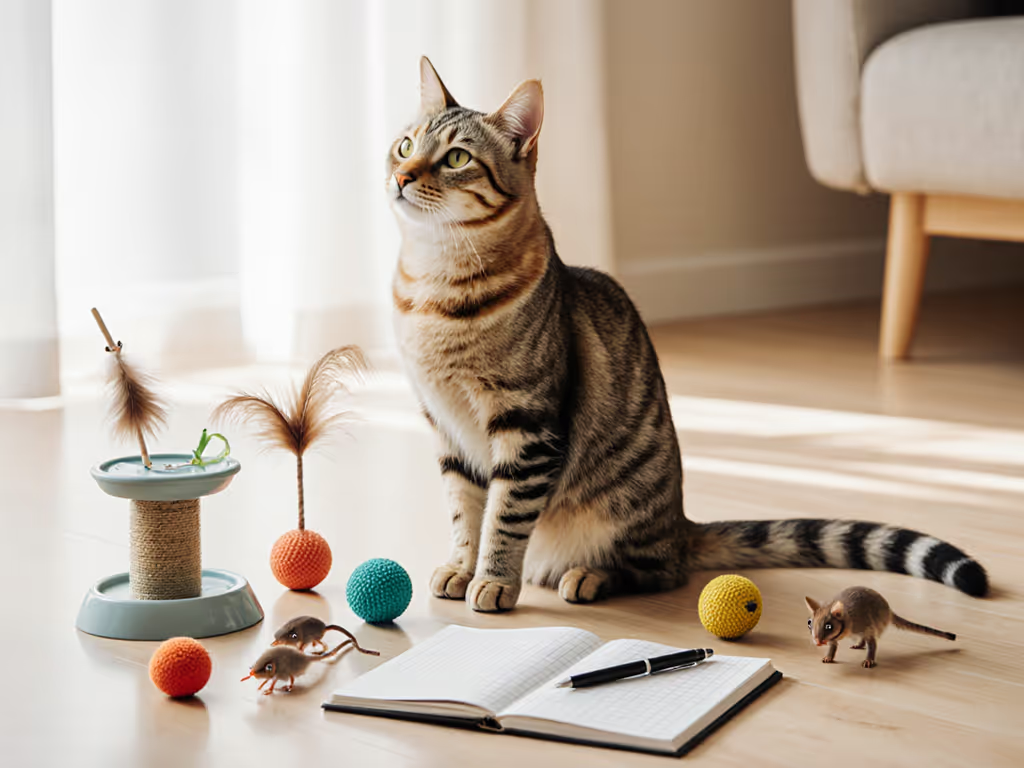
This system prevents clutter creep by ensuring only effective toys stay in rotation. For a step-by-step schedule, try our 7-day toy rotation plan. In my studio apartment, this approach reduced my toy stash from 12 ignored items to just 3 that my shy cat consistently chose. Quality over quantity aligns perfectly with small-space living.
Step 4: The Confidence-Building Protocol (For Shy or Overwhelmed Cats)
If your cat is hesitant to engage:
- Start with zero-pressure observation: Place toy near but not directed at them
- Distance matters: Begin 6+ feet away, gradually decreasing as they show comfort
- Pair with existing positive: Offer near mealtime or after successful petting
- Celebrate micro-moments: A single curious glance counts as progress
Remember my bed-hiding street cat? Those tiny sessions built trust because I honored her pace. Cat toy effectiveness measurement for anxious cats focuses on decreasing fear responses, not just play duration. If your cat is shy or fearful, follow our gentle toy introduction guide for stress-free steps.
Putting It All Together: Your Micro-Implementation Plan
You don't need hours to implement this scientific toy evaluation system. Here's how to start small:
- Day 1: Observe your cat for 2 minutes (no toys)
- Day 2: Test one toy using the 90-second method
- Day 3: Document results and decide Keeper/Maybe status
- Day 4: Repeat with next toy
In just one week, you'll have personalized data showing exactly what works for your unique cat. No spreadsheets required, just consistent two-minute actions that build meaningful understanding.
Why This Beats Random Toy Buying
Commercial toys lack the customization your cat needs. That expensive feather wand might trigger predatory sequences in some cats but overwhelm others. Your cat toy testing protocol reveals: To read cat body language and avoid overstimulation, use our play body-language guide.
- Which movement patterns match your cat's natural hunting instincts
- How noise levels impact their engagement (critical for apartment living)
- When to end play before overstimulation occurs
- How toy size interacts with your space constraints
This isn't just about play (it's about understanding your cat's communication through their interactions). When you see what truly engages them, you stop guessing and start connecting.
Your Actionable Next Step: Start Tiny
Tonight, before bed, complete just Step 1 of the protocol. Set a timer for two minutes and silently observe your cat without interacting. Note one natural behavior that caught their attention. That's it. No toys, no pressure, just mindful observation.
This single action creates your baseline for tomorrow's 90-second test. Small, consistent observations build the foundation for meaningful play sessions, reduced clutter, and (most importantly) a cat who feels truly understood. Remember: tiny sessions, big trust isn't just a phrase; it's the quiet revolution that transforms ignored toys into joyful hunts.
Related Articles