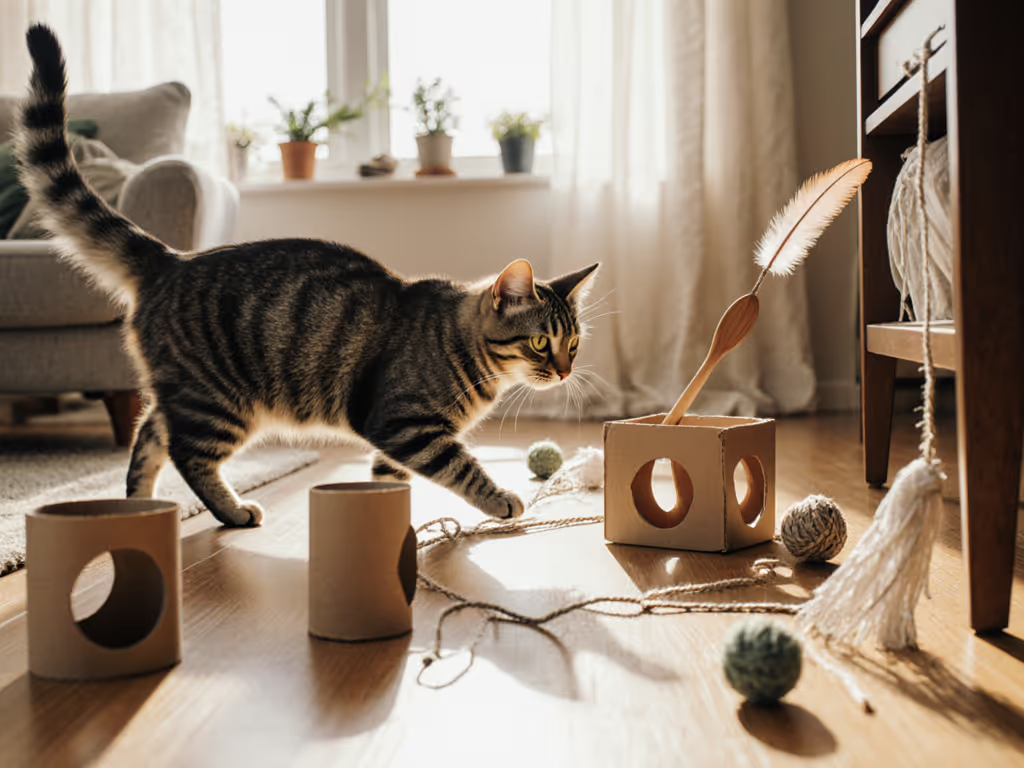
Natural Hunting Environment: Sunbeam Tracking as Cat Enrichment
By Naomi Chen • 25th May

Using the changing light in your home as an enrichment tool turns every day into a quiet, built-in natural hunting environment for your cat, and it often becomes the best cat enrichment you never had to store. Sunbeam tracking leans on what your cat's brain already loves: movement, warmth, and patterned light.
Indoor cats still carry the brain of a small predator: built to scan for flickers, follow warmth, and stalk moving edges. Instead of adding more plastic tracks or noisy gadgets, you can harness natural light stimulation (the way sun patches and shadows drift across your floors) to create a calm, low-clutter indoor hunting simulation.
Why Sunbeams Matter to Indoor Cats
In the wild, a cat's day is organized around light: dawn and dusk hunts, mid-morning naps in warm spots, late-afternoon patrols. Indoors, central heating flattens temperature changes, but light still shifts, and your cat notices.
Sunbeams and shadows offer:
- Movement without chaos: Edges of light creep slowly, inviting stalking instead of frantic zooming.
- Predictable routine: Beams land in roughly the same places at roughly the same times each day, perfect for a simple play schedule.
- Species-appropriate sensory input: Light, warmth, and contrast engage vision, body awareness, and balance without adding noise.
For noise-sensitive households, sunbeam tracking for cats is especially valuable. If you also need silent options for non-sunny hours, see our quiet enrichment toys for alone time. There are no crinkles, no bells, and no motor sounds, just quiet, focused hunting that ends in rest.
Reading Your Home's Sun Map
Start by learning how light already moves through your space. For one or two days, casually note:
- Where the first strong sun patch appears in the morning.
- Where it lands mid-day (if at all).
- Where late-afternoon light travels.
You can jot this down in your notes app or sketch a simple floor plan with X's for sun spots and arrows showing their direction over time. Focus on the rooms where your cat already spends time: living room, bedroom, home office.
As you watch, notice your cat's natural choices:
- Do they follow the beam as it shifts?
- Do they prefer edges (half in, half out of the sun) or full-on basking?
- Do they get a brief play burst when the light first appears, then settle?
This becomes your sun map - a blueprint for low-effort enrichment.

Turning Sunbeams into an Indoor Hunting Simulation
Once you know where the light lands, you can design quiet micro-hunts that layer on top of it.
1. Basking Basecamp + Micro Hunts
Choose one regular sun spot as your "basecamp" (ideally a 2 x 3 ft (60 x 90 cm) area near a sofa, chair, or wall).
- Add a thin, non-slip mat or low-profile rug in a neutral tone so it visually blends with your room.
- During the sunniest 10-15 minutes, sit nearby with a wand toy and a few treats.
- Let your cat settle in the beam, then gently:
- Drag the toy so its shadow passes just at the edge of the light.
- Toss a single treat into the sun patch after a few good pounces.
This keeps play grounded and calm: hunt, capture, eat, groom, nap, exactly the pattern their nervous system is built for.
2. Sun-Path Corridors
If your room gets a long stripe of light across the floor, turn it into a hunting lane.
- Lay a narrow runner (or even a folded blanket) along part of the beam.
- With your cat at one end, move a toy low and slow along the shadowed edge of the light.
- Pause often so they can crouch, wiggle, and choose when to sprint.
Because the light is already forming a visual "track," you don't need bulky plastic circuits taking up space.
3. Gentle Shadow Play for Cats
Shadow play for cats uses your cat's love of contrast without resorting to frantic, unreachable dots.
You can:
- Make hand shadows or move fingers slowly along the floor near the sun patch.
- Hold a soft toy so its shadow scuttles just ahead of your cat.
- Let your cat "trap" both shadow and toy regularly, so the game feels solvable.
Watch for early signs of overstimulation: tail lashing, ears flattening, or sudden hard bites on the toy. For a deeper primer, learn the body language cues during play so you can end sessions on a calm note. When you see them, guide the session toward a "final catch" and a small snack, then stop.
Calm rooms invite play; chaos shuts curiosity down.
Sunbeam hunts use the room's natural simplicity to keep things predictable and soothing.
Light-Based Hunts for Different Prey Styles
Many guardians struggle to guess what their cat wants to "be" in play: bird chaser, mouse stalker, bug hunter, or rabbit pouncer. Your sun map can support all four.
Bird-Brained (Vertical Chasers)
For cats who love leaping and tracking upward movement:
- Position a chair or low perch partly in the beam.
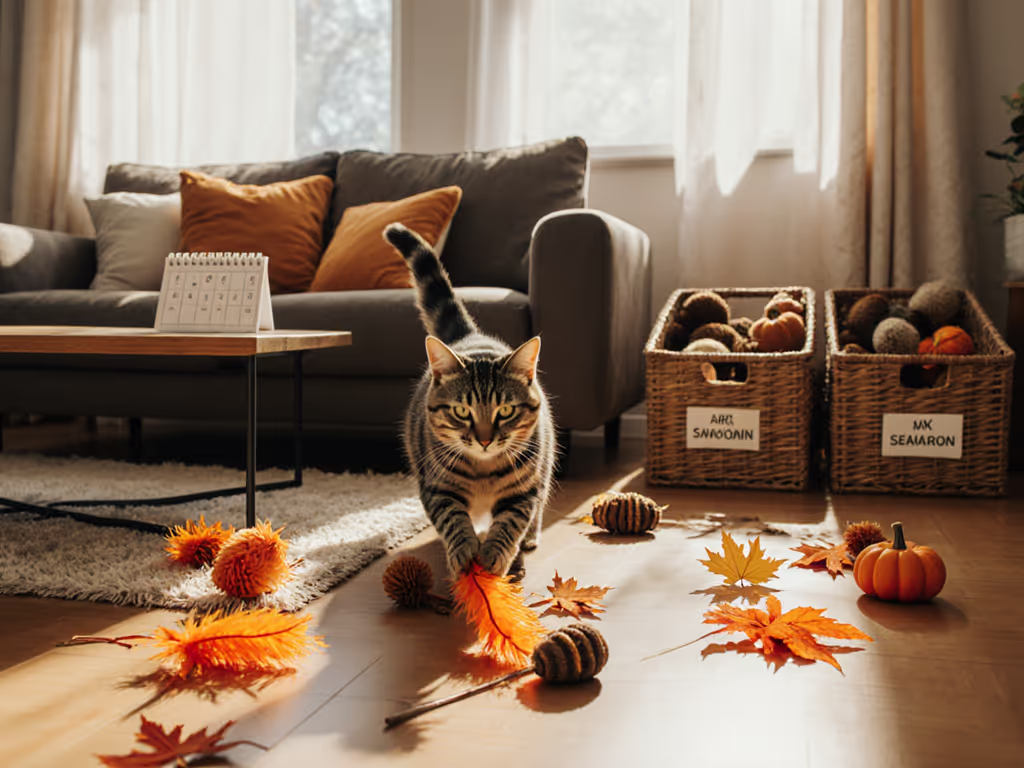
- Move a feather or ribbon toy in arcing paths through the light, occasionally landing it on the perch.
- Let your cat land solidly on the surface; avoid repeated air grabs with no catch.
Mouse-Minded (Ground Stalkers)
For cats who love slow creeping and pouncing from low crouches:
- Keep the toy on the floor.
- Skim it along baseboards where light meets shadow, with long pauses.
- Reward with a treat in the exact spot of the "kill" to reinforce that stalking pays off.
Insect Enthusiasts (Tiny, Erratic Movers)
For cats who fixate on dust motes and specks:
- Use a small, lightweight toy that can make tiny jittery moves in the beam.
- Shift the toy's shadow unpredictably, but frequently let them pin it.
If you ever use reflective light (like a watch face catching the sun), do it sparingly and always end with something tangible your cat can catch, chew, and eat. The goal is satisfaction, not endless frustration.
Rabbit-Tacklers (Body-Slammers)
For cats who like full-body pounces and bunny kicks:
- Place a sturdy kicker toy in the sun patch.
- Wiggle it just enough that the shadow "comes alive," then go still.
- Once your cat tackles it, resist the urge to keep pulling; let them win and decompress.
Building a Calm, Minimal Sunbeam Play Corner
You do not need a dedicated "cat room." A well-planned 2 x 4 ft (60 x 120 cm) zone can cover most of your daily hunting needs.
Consider:
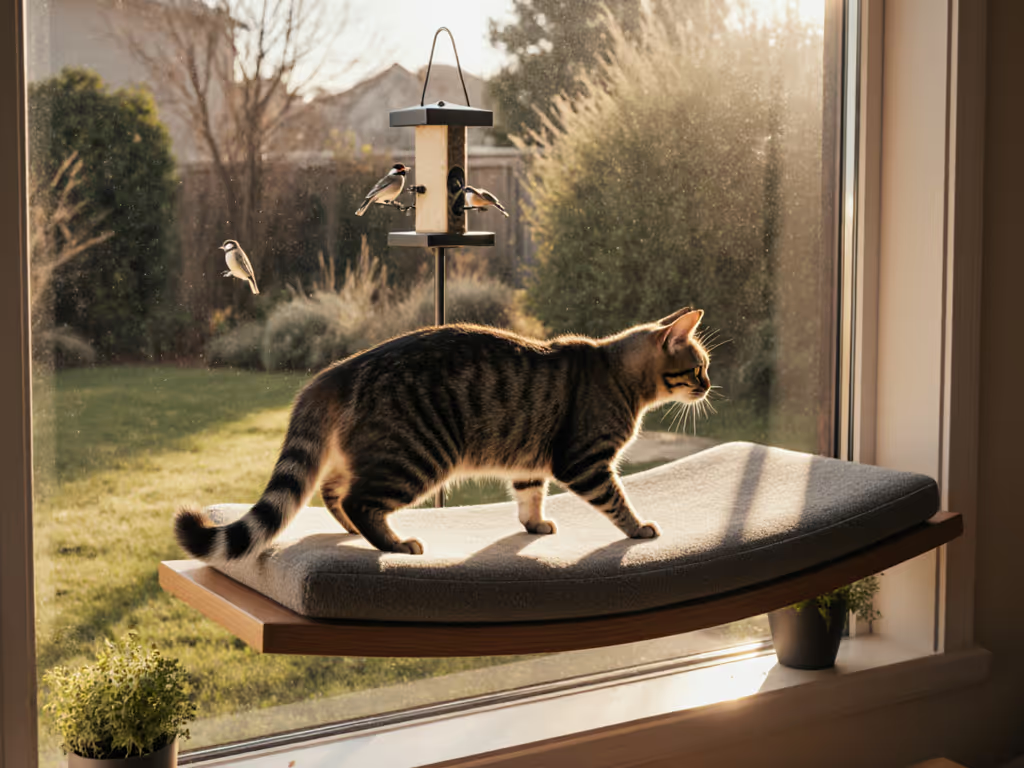
- Footprint: Choose one sun patch that doesn't block walkways. Under a window, beside a sofa, or at the end of a bed works well. Window lovers may also benefit from our guide to combining perches with complete hunting sequences for frustration-free bird-watching.
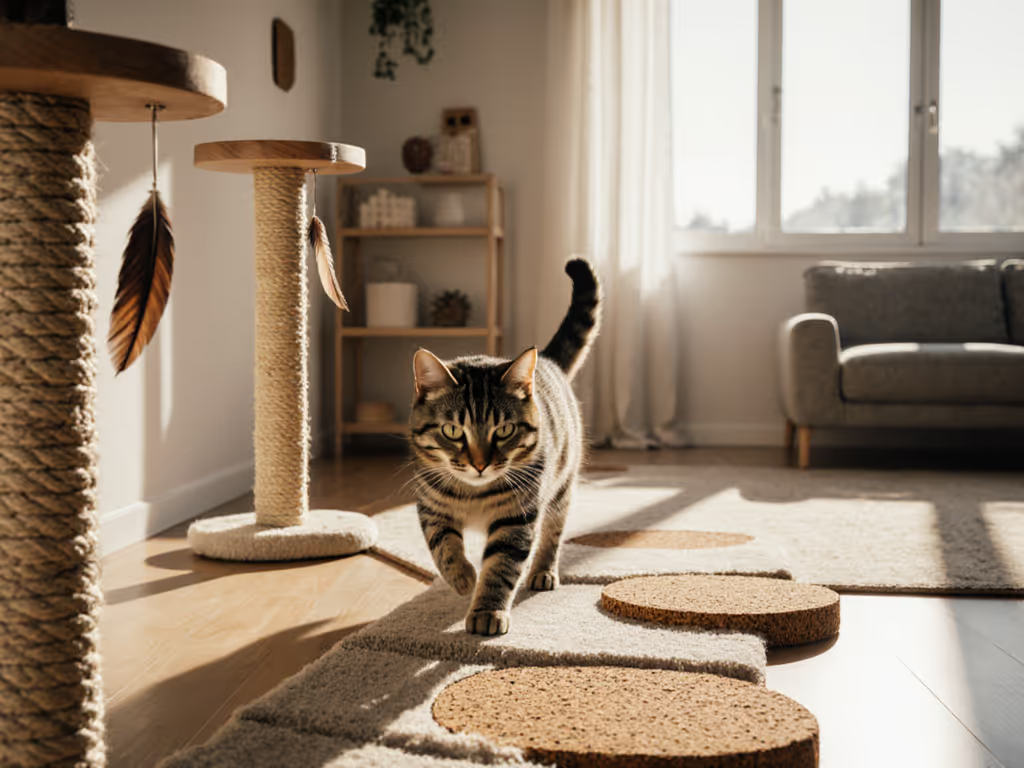
- Texture: A flat mat, low ottoman, or simple cardboard scratcher, quiet surfaces that won't squeak or rattle.
- Palette: Neutrals or soft tones that blend with your existing decor to keep visual noise low.
- Storage: A lidded basket or drawer within arm's reach for one wand toy, one kicker, and a small treat tin.
I rebuilt my own play corner after moving into a very echo-prone, sunlit loft. Swapping a jumble of tunnels and tracks for a slim wand, a silent floor target, and a lidded basket changed the whole room. The cats played more; the space felt breathable again. It confirmed what I'd already felt in my bones: calm, edited setups get used.
When you store in sight, not in piles (a single tray with one or two beautiful, functional items), your brain is more likely to remember and use them, and your cat benefits from consistent, quiet sessions.

A 10-15 Minute Sunbeam Session Template
Here is a simple, repeatable routine you can adapt to your schedule.
1. Warm-Up (2-3 minutes)
- Invite your cat to the sun patch; you can rustle the mat lightly or sit down with the wand toy in view.
- Make very small, slow movements at the edge of the beam so they can lock on visually.
2. Hunt Cycles (6-10 minutes)
Aim for 3-5 short "hunts," each with a beginning, middle, and end.
- Begin: Toy or shadow appears in the light.
- Middle: It travels a short path across the beam, up onto a perch, or along the corridor.
- End: Your cat catches the toy decisively.
Between hunts, pause. Let them reset, groom, or shift position. This mirrors real hunting bursts and prevents overstimulation.
3. Cool-Down (2-3 minutes)
- Offer a few small, high-value treats or part of their meal right where the "final kill" happened.
- Keep your movements slow and predictable; avoid restarting the game.
- Let them settle in the warm patch to nap.
Over time, this pattern can reduce night zoomies and early-morning wake-ups because your cat's prey drive is being met predictably during the day.
When Sunbeams Are Scarce
Not every home has dramatic light. If your windows are small or your climate is overcast, you can still borrow the principles.
- Maximize indirect light: Place your main rest/play spot near the brightest window, even if there's no sharp sun patch.
- Soften glare: Use sheer curtains to turn harsh streaks into gentle, wide pools of light that are easier on sensitive eyes.
- Create a consistent "light zone": In darker homes, a single, warm lamp that's turned on at the same time each day can act like a reliable cue for play, even if it's not technically sunlight.
The target is not a perfect beam; it's a predictable, comfortable area where light looks and feels different from the rest of the room.
How to Tell Sunbeam Enrichment Is Working
Because this style of play is subtle, it helps to watch for changes over one to two weeks.
Positive signs include:
- More structured bursts of focused play, followed by deep naps in lighted spots.
- Fewer random ambushes at ankles or surprise attacks from under furniture.
- Reduced "I'm bored" mischief: counter-surfing, door-dashing, or pestering during work calls.
- Older or heavier cats choosing to move a bit more, especially along light corridors.
You can keep a tiny log on your phone: note when you do a sunbeam session and any changes in evening behavior or sleep. This gives you a way to see progress and adjust.
Next Small Experiments to Try
Over the coming week, you might:
- Map one key room's light at three times of day.
- Choose a single sun patch to turn into your hunting basecamp.
- Run the 10-15 minute session template twice and notice how your cat behaves that evening.
From there, you can layer gently: a second light corridor, a vertical option for bird-chasers, or a cozier mat for older joints. Let your natural hunting environment grow out of the light your home already offers, rather than adding clutter. With a bit of observation and intention, sunbeam tracking can become one of the best cat enrichment tools you own: quiet, beautiful, and always ready when the light comes in.
Related Articles