
Decoding Cat Play: Spot Overstimulation Cues
By Diego Álvarez • 10th Jan
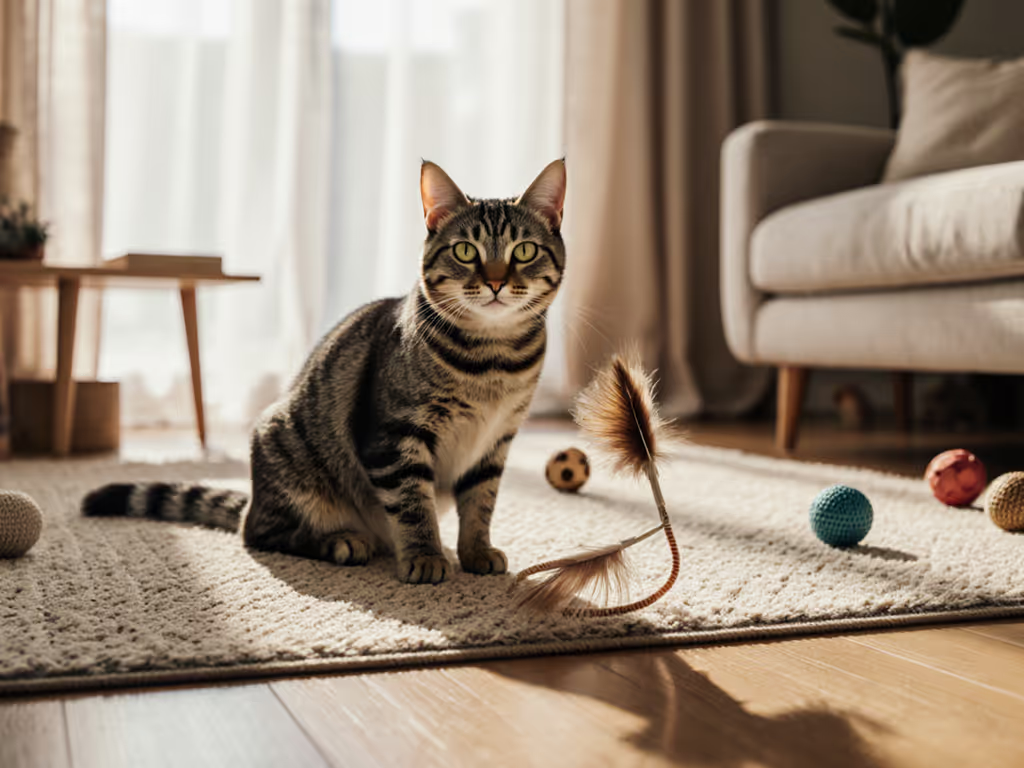
Watching your cat play should feel joyful, not anxiety-inducing. Understanding cat play body language transforms confusing pounces into meaningful conversations. As someone who's tested toys in a cramped apartment with light-sleeping newborns and two cats, I've learned that feline play signals aren't just cute (they're your roadmap to peaceful coexistence). Misreading these cues leads to scratched hands, broken trust, and toys abandoned in the corner while your cat's needs go unmet.
When play turns painful, it's rarely "bad behavior." It's communication we've failed to hear. Let's decode what your cat's telling you before claws come out.
What Healthy Play Actually Looks Like
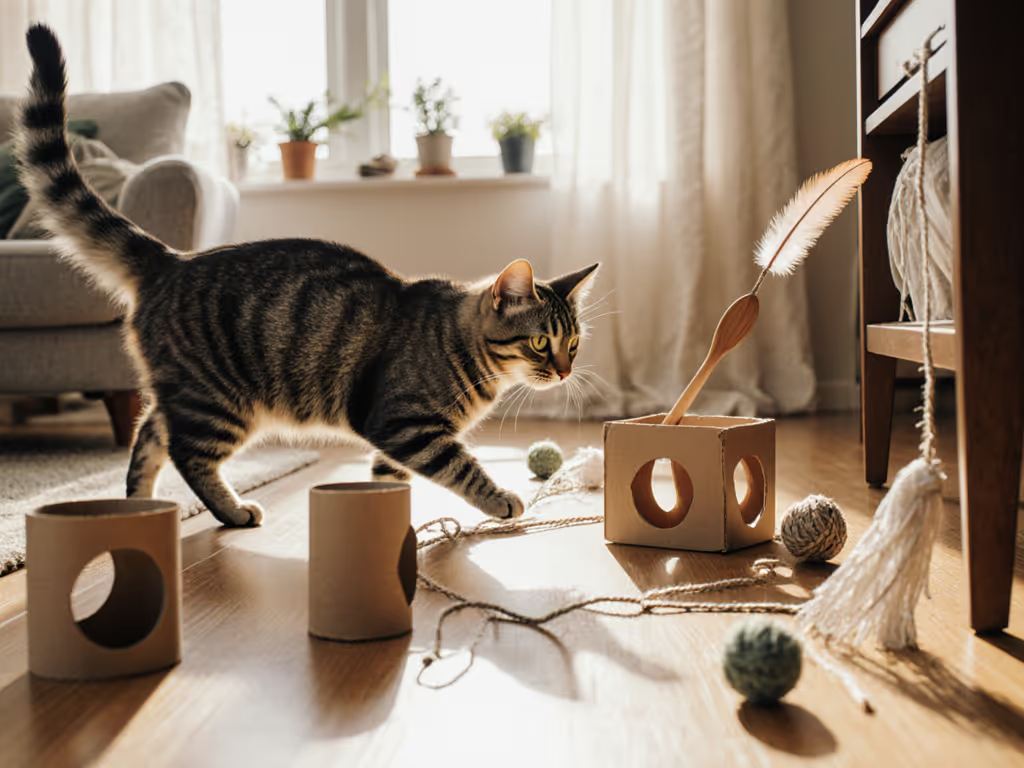
Before spotting trouble, recognize normal play. Healthy cat play resembles a miniature hunt: stalk, chase, capture, and rest. A relaxed cat will crouch low with ears forward, tail tip twitching, and body loose (not rigid). They'll typically retract claws during "captures" and may gently mouth without pressure. After the "kill," they'll often settle rather than immediately restart the cycle.
Play solicitation signals are your invitation to engage: the classic "play bow" (front down, rear up), gentle paw taps, or bringing toys to you. These are polite requests for interaction (not demands for constant stimulation). When we honor these signals with focused playtime, cats learn satisfaction comes from completion, not endless escalation.
The Overstimulation Tipping Point
Overstimulation happens when play continues past your cat's threshold. Their hunting instinct intensifies until they can't disengage, turning interactive fun into redirected aggression. If this is a pattern, try our toy-based protocols for redirected aggression. Budget-aware guardians often mistake this for "the toy isn't working," buying replacements that worsen the noise and clutter. But the problem isn't the toy, it's missing the warning signs.
Signs of overstimulation escalate quickly. First, the tail moves from excited twitching to rapid, forceful lashing. Ears flatten sideways or backward. Dilated pupils lose focus, shifting from "prey" to "threat" mode. What was a purr or chirp becomes growling or hissing (a clear "back off" signal many miss until claws connect).
Reading the Critical Cues
Tail Language in Play: Your First Warning System
A cat's tail is their emotional dashboard. During healthy play, it may quiver with excitement or sway gently during stalking. But when play tips toward overstimulation, the tail becomes a metronome of stress: low and thrashing or tightly wrapped around the body. If your cat suddenly stops playing to stare at their own tail, they're overwhelmed (time to pause).
Ears and Eyes: Silent But Loud Signals
Forward ears signal engagement; sideways "airplane ears" mean uncertainty. Fully flattened ears paired with wide, unblinking eyes? That's your last chance to disengage before biting. Pupil dilation beyond hunting focus (to nearly black eyes) indicates sensory overload, especially in bright environments.
Vocalizations: From Chirps to Warnings
Cat communication during play evolves predictably. Early stages feature chirps and trills ("this is fun!"). But as tension builds, these shift to growls, hisses, or that distinctive "eek" sound of overstimulation. Never ignore vocal protests; they're not "just playing rough."
What to Do When You Spot Red Flags
When you see signs of overstimulation, stop moving the toy immediately. Don't pull your hands away abruptly (that triggers chase instinct). Instead, freeze the toy, then slowly lower it. Redirect with a kick toy (my quiet kicker saved our sanity during newborn naps) to allow solo de-escalation. Never punish; you're interrupting a biological process, not correcting disobedience.
In my one-bedroom crisis test, I found replacing jingling toys with silent wand heads cut both noise and post-play aggression. For quiet, durable picks, see our best feather wand toys testing. Buying modular pieces meant I could swap parts over products when feathers frayed (no whole-toy waste). With tidy bins holding just five versatile items, I tracked replacements and learned durability beats novelty every month.
Prevention: Structuring Play for Calm Homes
- Shorter, focused sessions: 10-15 minutes mimicking natural hunt cycles (stalk-chase-capture-rest), not marathon play.
- Predictable endings: Always "capture" the toy in your cat's mouth, followed by a treat or quiet time.
- Rotation rhythm: Store all but 2-3 toys out of sight. For an easy schedule, follow our 7-day toy rotation plan. Rotate weekly (novelty matters more than quantity).
- Silent options first: Prioritize felt kickers and wand toys without bells to protect human sleep cycles.
Play isn't about exhausting your cat (it's about fulfilling their predatory sequence). When sessions end with satisfaction, not frustration, you'll see fewer night zoomies and counter-surfing incidents. Your cat rests deeply; your home stays calm.
Buy once, play often, repair before you replace.
Final Verdict: Calm Play = Calm Home
Recognizing feline play signals isn't just preventing scratches, it's building trust through attentive communication. That "bored" cat shredding your couch? They're likely signaling unmet needs through body language you've missed. By focusing on their cues rather than our assumptions, we create environments where fewer, better toys deliver deeper engagement.
Stop guessing whether play is healthy. Start reading the signals: tails that lash instead of twitch, ears that flatten instead of swivel, vocalizations that warn instead of chirp. These aren't personality quirks, they're your cat's honest feedback. When we respond with awareness, not more toys, we get what we all want: a quiet home where play enriches rather than exhausts. And isn't that the ultimate budget win: keeping what works, repairing what frays, and knowing exactly when to put the wand down?
Related Articles