
Build Your Cat Sensory Garden: A Simple Start
By Hana Tanaka • 12th Apr
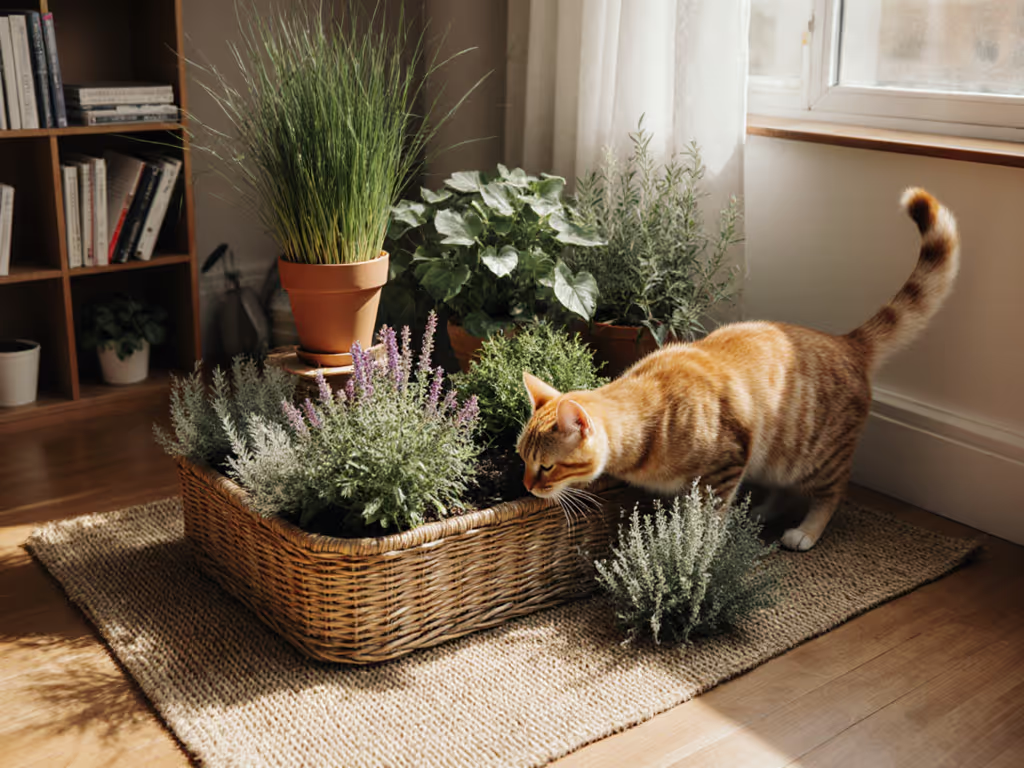
A cat sensory garden is one of the most straightforward ways to give your indoor cat access to the stimulation they crave, without overwhelming your small space or your schedule. Unlike elaborate play setups or expensive enrichment gadgets, a sensory garden brings the outdoors in through textures, scents, and safe plants your cat can sniff, nibble, and explore at their own pace. Whether you're working with a studio apartment corner or a small balcony, this guide will walk you through building one that actually gets used.
Why Sensory Enrichment Matters for Indoor Cats
Cats are natural hunters and explorers with specialized senses inherited from their wild relatives. When they're confined indoors without sensory outlets, boredom often follows, and with it come the behaviors that stress both you and your cat: night zoomies, counter-surfing, door-dashing, and overstimulation during play.
A sensory garden taps into their need to investigate and engage with their environment. Cats benefit from having places to explore, new scents to process, varied surfaces to move across, and small prey behaviors to watch (insects, rustling leaves, moving plants). The best part: tiny sessions, big trust, as your cat learns exactly where to find this enrichment.
Sensory gardens also offer a low-key alternative for shy, anxious, or older cats who find intense interactive play overwhelming. They create a space for self-paced exploration (something many caregivers overlook, but their cats desperately want).
Understanding What Your Cat Needs
Before you buy a single plant, clarify what a cat-friendly sensory space must include. Cats need:
- A safe, sunny spot to rest and absorb warmth
- Hiding places where they feel secure from stressors
- Shelter from wind, sun, or overstimulation
- Opportunities to climb or perch (using their space three-dimensionally)
- Safe plants to sniff and nibble
- Varied surfaces to walk on, dig in, and explore
- A secluded area for toileting if it's an outdoor catio
Notice what's absent from this list: complexity. Consistency beats complexity for cats and caregivers alike. Five minutes daily beats any gadget in the closet. Your garden works best when it's simple enough that you actually maintain it.
Step 1: Choose Your Location and Size
The ideal sensory garden is big enough for your cat to stick their head in and explore, but not so large they mistake it for a litter tray. For indoor setups, this might be a corner of a bookshelf, a low table, a windowsill planter, or a dedicated pot on the floor.
Two-minute action:
- Scan your home for a spot with natural light (or near a light source)
- Check for stability (your garden shouldn't tip if your cat nudges it)
- Ensure it's away from your cat's eating and sleeping areas
For very small spaces (studio apartments, shared rooms), a single large pot or a tiered plant stand works beautifully. You're not building a botanical marvel; you're creating a focal point for sensory engagement.
Step 2: Select Safe, Cat-Friendly Plants
This is where your garden gains personality. Safe plants for cats include:
- Cat grass (wheatgrass, oat, rye, or barley)
- Catnip (fresh, potted)
- Silver vine (similar effect to catnip for cats who don't respond to catnip)
- Parsley, mint, rosemary, lemongrass, and thyme
Each plant affects cats differently, so observe which ones your cat gravitates toward. Some cats become playful; others simply enjoy nibbling and sniffing.
Important: Not all plants are safe for cats. Before introducing anything new, verify it with your veterinarian or a trusted feline behavior resource. Avoid lilies, foxgloves, sago palms, and other toxic varieties (this isn't a place for guesswork). For a sustainable grow-your-own option that keeps interest high, explore our silver vine planters guide.
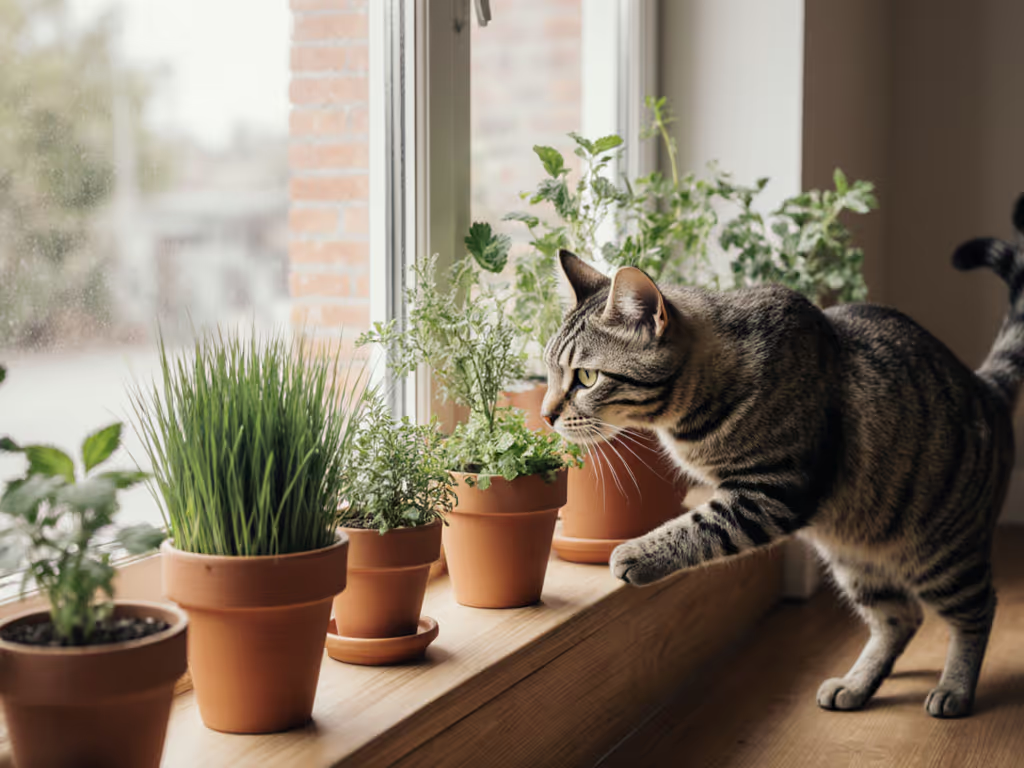
Quick setup checklist:
- ☐ Choose 3-4 plants that appeal to you and are cat-safe
- ☐ Verify safety with your vet or a cat-safe plant database
- ☐ Gather pots with drainage (terra cotta, ceramic, or fabric)
- ☐ Prepare potting soil (non-toxic, high quality)
Step 3: Arrange for Texture and Exploration
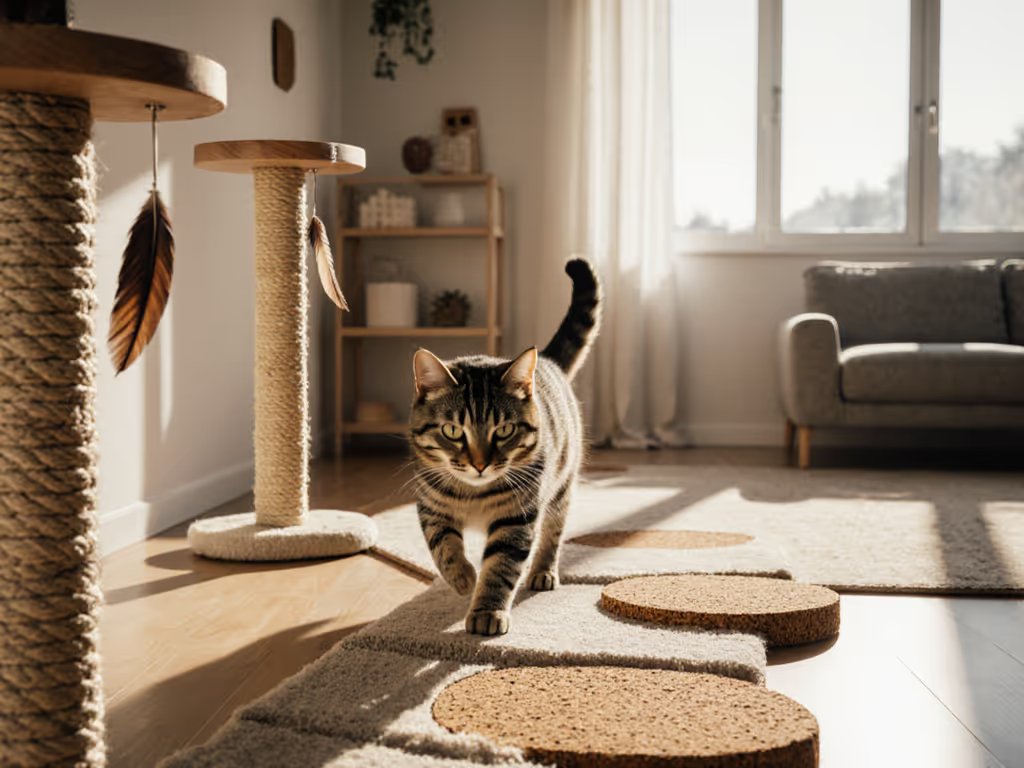
Your garden isn't just plants in rows (it's a mini landscape that invites your cat to interact). For a guided multi-sensory layout, build simple DIY sensory paths that lead your cat through sniff, stalk, and pounce moments. Vary the heights, add textures, and create small "pathways" for their nose.
Layering ideas:
- Place taller plants (catnip, lemongrass) toward the back
- Nestle shorter herbs (mint, parsley) in front
- Add a shallow dish of cat grass for easy nibbling
- Include safe, natural textures like smooth stones, bark chips, or moss
- Consider a small piece of driftwood or a cat-safe branch for climbing interest
The goal is variety without chaos. Your cat should be able to explore with their nose, mouth, and paws without knocking everything over.
Step 4: Add Interactive and Sensory Elements
A sensory garden isn't just static plants. Layer in engagement:
Scent play:
- Rub a small amount of catnip or silvervine around the garden to announce it
- Occasionally rotate which plants are most prominent
- Add a few drops of cat-safe essential oils (like diluted silver vine spray) to stones
Movement:
- Long grass and herb leaves naturally move and rustle, and cats love this
- Hanging a small, silent mobile or wind chime nearby adds visual interest without noise
Foraging elements:
- Scatter a few kibbles among the plants occasionally for a feline foraging garden effect
- Hide treats in piles of leaves or buried slightly in soil for safe nose-work
None of this requires equipment or gadgets. Your cat's natural curiosity does the work. To fine-tune scent enrichment safely, see how feline olfaction boosts engagement beyond catnip.
Step 5: Build a Simple Maintenance Routine
This is where most enrichment projects fail: caregivers run out of steam. A sensory garden only works if you keep it alive and fresh.
Two-minute wins (daily):
- Check soil moisture (not soggy, not bone-dry)
- Remove any dead leaves or debris
- Gently reposition plants if your cat has flattened them
Weekly:
- Trim dead stems to encourage new growth
- Refresh any scattered treats or kibble
- Observe which plants your cat favors
Monthly:
- Rotate the position of plants to maintain novelty
- Consider adding one new cat-safe herb to keep interest high
- Check for pests or mold (especially in humid environments)
This routine takes five minutes total. That's the whole point: consistency over perfection.
Step 6: Tailor for Your Cat's Personality
A shy cat might need the garden placed in a quiet corner where they feel safe approaching without pressure. An active, curious cat might prefer it in a central, trafficked area where they pass it frequently. An older or overweight cat benefits from a low, accessible design they don't have to jump or stretch to explore.
In my studio apartment, when my street rescue first arrived, she wouldn't explore anything for weeks. I placed a small pot of cat grass and catnip in a quiet nook and visited it myself, quietly, without calling her. Within days, she investigated when I wasn't looking. Within a month, she'd greet me at the garden entrance. Small, consistent exposure built her confidence. That taught me that enrichment isn't about flashiness; it's about meeting your cat where they are.
Troubleshooting Common Setups
My cat ignores the garden entirely. Give it time. Some cats need weeks to investigate. Rub a small amount of catnip nearby, or sprinkle a favorite treat close to it. Patience is part of tiny sessions, big trust.
The plants keep getting trampled or eaten excessively. This usually means your cat is seeking texture or fiber. Ensure fresh cat grass is always available, and trim back plants that are becoming a snack buffet rather than an exploration space.
The setup looks cluttered in my small space. Simplify. Use a single, elegant pot and rotate which plants are active. Store extras in a cool, dark place. Minimalism is part of sustainable enrichment.
My cat has already lost interest. Rotate plants monthly, add small novelties (a smooth stone, a leaf from outside if it's safe), or move the garden to a different location. Novelty resets engagement. For a simple, low-clutter plan, follow our toy rotation guide to keep curiosity fresh week after week.
Your Next Step
Start small: pick one corner, choose three safe plants, and commit to five minutes of daily care. You don't need a garden guide, expensive pots, or Pinterest-perfect aesthetics. You need consistency.
This week, identify your location, source your plants, and check their safety. By next week, your cat will have a space that speaks to their deepest need to explore, sniff, and engage. That's how enrichment actually works, not through gadgets gathering dust, but through gentle, repeated invitations to be their most feline selves.
Your sensory garden isn't just decor. It's a daily reminder that you understand what your cat needs, and you're committed to meeting them there.
Related Articles