
Design Sensory Paths for Cats: DIY Enrichment
By Naomi Chen • 4th Apr
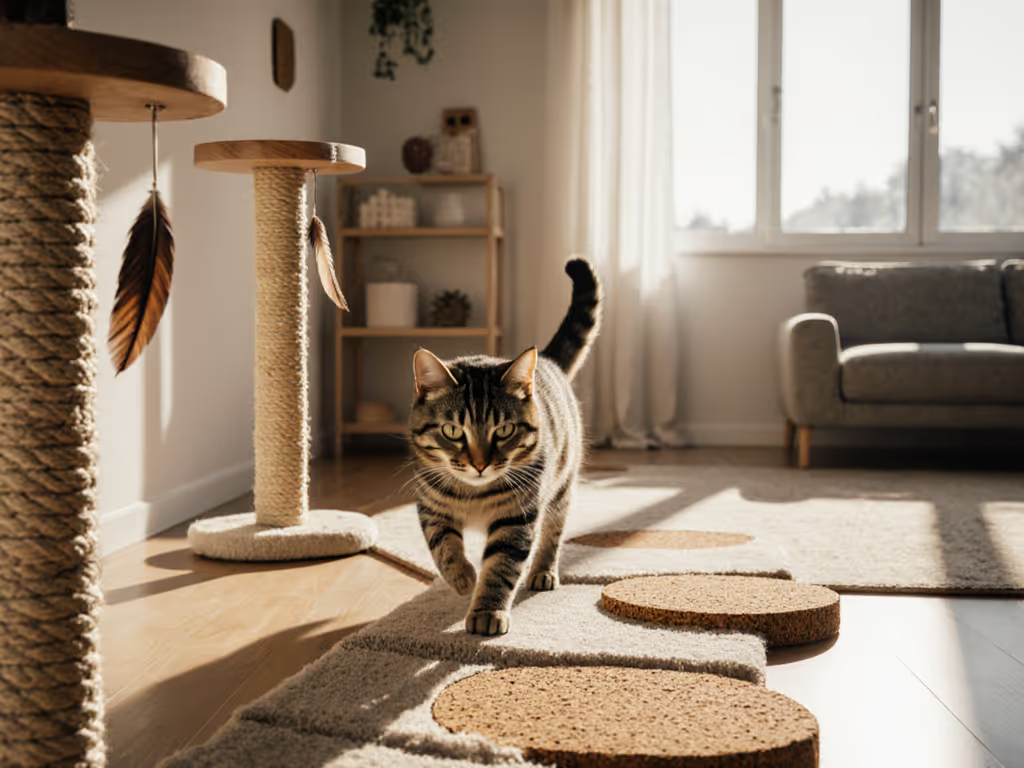
Cats navigate your home through a sophisticated mental map built from scent, texture, sound, and memory. A cat sensory path creation isn't about elaborate obstacle courses or noisy contraptions (it's a deliberate trail) that guides your cat's hunting instincts through your space, turning ordinary rooms into engaging territory without sacrificing your calm or your square footage. House cat enrichment that works, harmonizes with your routines and aesthetics, creating spaces where play feels inevitable rather than staged.
Why Sensory Paths Matter for Indoor Cats
Indoor cats, particularly in urban apartments or condos, often lack the environmental complexity that activates their prey drive and builds confidence. Without intentional sensory stimulation for indoor cats, boredom manifests as night zoomies, counter-surfing, redirected aggression, and that familiar frustration of watching an expensive toy gather dust. A sensory path addresses this directly: it gives your cat a structured journey that engages multiple senses in a low-clutter, repeatable way.
Sensory paths work because they align with how cats think (prey sequence play). Rather than a pile of toys scattered across the floor, a path creates a narrative: a mini-hunt that builds momentum, rewards curiosity, and ends naturally. This structure also means your cat is more likely to engage with the setup consistently. Calm rooms invite play; chaos shuts curiosity down.
Understanding Your Cat's Sensory Profile
Before designing, observe what draws your cat's attention. Does she stalk low, pouncing on ankle zippers? That's a rodent-prey profile, suited to ground-level paths with rustling or crinkly textures. Does he leap vertically and bat at overhead movement? Bird-prey cats thrive on elevated perches and dangling elements. Some cats fixate on scent, others on sound or texture. This baseline matters because the most beautifully laid path will sit unused if it doesn't match your cat's hunting personality.
Note also your cat's tolerance for auditory stimulation. Many people assume bells and crinkles add richness, but in a shared space (especially one with babies, roommates, or a need for calm evenings), sound matters more than you think. Silent or low-sound paths often see heavier use because they don't trigger avoidance or overstimulation.
Core Elements of a Sensory Path
An effective path typically combines three layers:
Ground-level textures. Vary what your cat feels underfoot: a woven mat that captures scent, a sisal runner (quiet, durable), a cork or cork-blend mat that appeals to cats who enjoy texture variety. These are not decorative; they signal transition points and encourage exploration through tactile feedback.
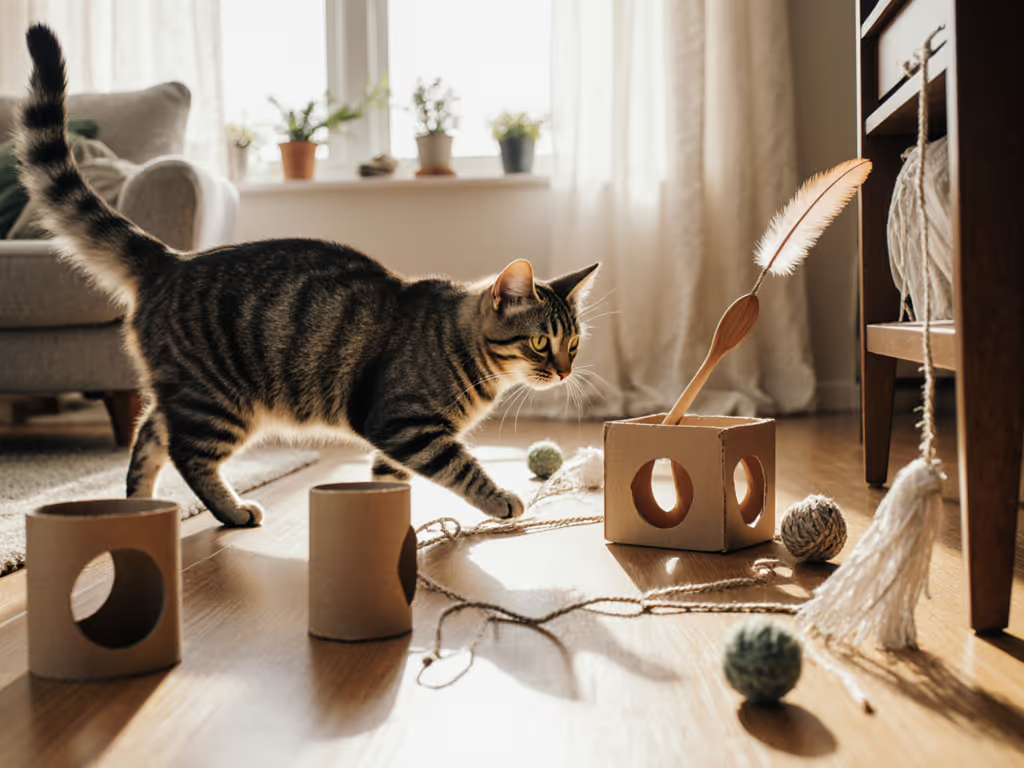
Mid-level targets and toys. Floor markers, a low track, or a simple wand with a quiet lure placed at eye level give your cat something to hunt. This is where a multi-sensory cat play element engages focus: the cat sees movement, stalks, pounces, and experiences a satisfying "catch." The key is keeping pieces compact and purposeful; a single wand or a carousel toy works better than a pile.
Elevated perches. A shelf, hammock, or modest cat tree at the end of the path provides a rest point and a vantage for surveying the territory. Vertical elements also solve a space problem: they don't consume floor footage, and they give anxious or older cats a psychological safe zone. For a full room setup that mimics natural hunting grounds, see our play environment guide.
DIY Design: A Quiet, Compact Approach
Start by measuring your available wall length and depth. Many apartment dwellers work with 4 to 8 linear feet. Sketch a loose path: entry point → ground texture → play zone → elevated rest. This does not need to be fancy or photogenic; it needs to be functional and minimal.
Materials that work:
- A washable, natural-fiber rug runner (sisal, jute, or wool-blend) as the path floor. These are quiet, durable, and neutral-palette friendly. Footprint: typically 2 to 3 feet by 12 inches. Cost-effective and replaceable.
- A wand toy with a lightweight lure. Store it in a small, lidded basket next to the path so it's ready but out of sight when not in use. This prevents toy fatigue and keeps your space tidy.
- One low ground-level target: a thin foam square, a repurposed coaster, or a small puzzle feeder. Mark where your cat should focus attention during play. If you use a food puzzle here, match difficulty with our puzzle feeder skill guide.
- One or two wall-mounted shelves or a compact cat tree as the endpoint. Measure your wall (even a shallow 8 inch shelf saves space while delivering height).
Optional sensory additions:
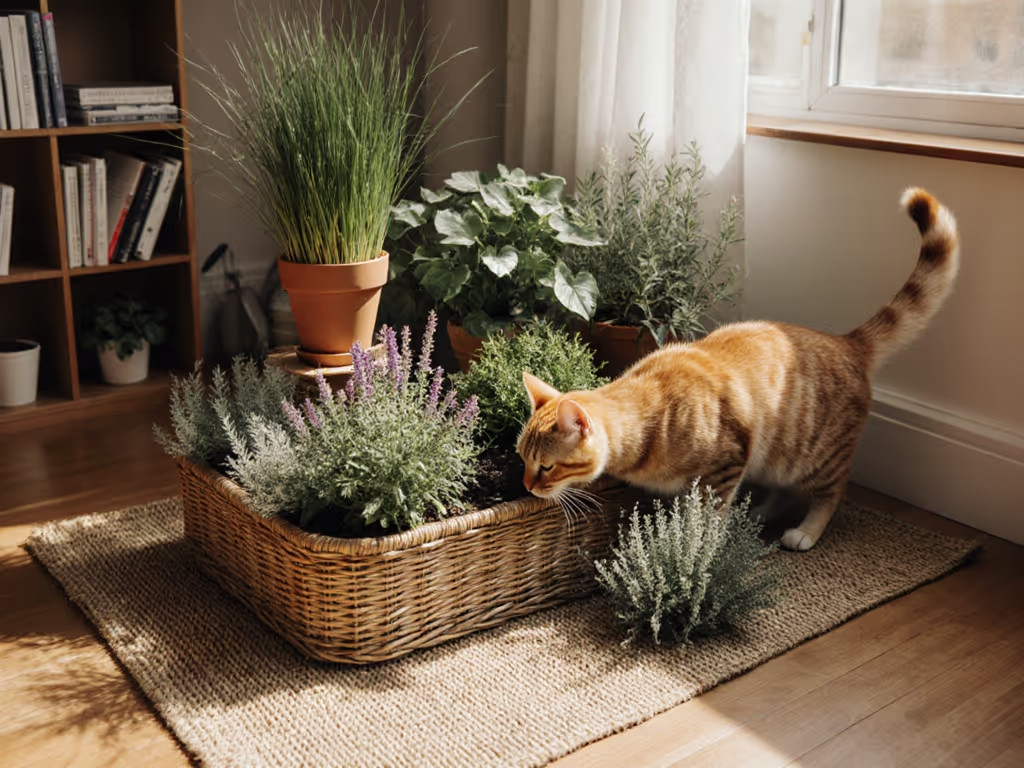
- A small dish of dried silvervine or catnip placed partway along the path (not left out continuously; deploy during active play sessions).
- Textured scatter: a few sisal balls or cork rings placed at intervals. These engage paw-batting without noise.
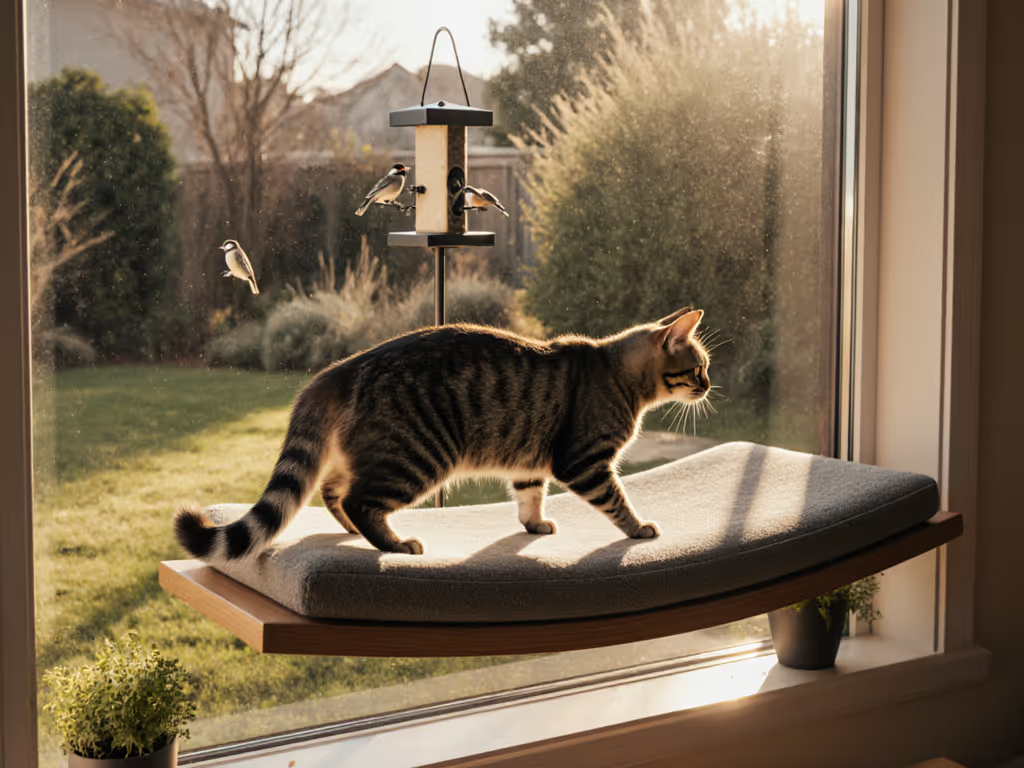
- A window view mid-route if possible. Bird watching is enrichment; cats instinctively recognize and focus on it.
The Storage-Forward Build
One reason sensory paths succeed where random toys fail is that they demand intentional setup and cleanup. Build this into your routine: 10 minutes before evening play, you arrange the path. After play, everything stows away. This ritual anchors enrichment into your schedule and keeps your home calm.
Use lidded, neutral-colored storage boxes or baskets to hold toys, treats, and props. Measure your space ruthlessly: if your basket doesn't fit under the couch or in a closet, it's too big. Your enrichment setup should vanish between sessions. Get tidy, space-smart ideas in our minimalist toy storage guide.
Quiet Design Matters
Noise is often the overlooked barrier to consistent enrichment in shared homes. A single noisy toy can disrupt a roommate's call, a baby's nap, or your own sense of calm. Home enrichment trail design that honors this constraint means: skip jingly balls, avoid motorized toys, choose toys that satisfy through sight and texture rather than sound. A wand with a rabbit-fur lure is silent and gripping. A track toy with a ball works fine if you accept occasional soft rolls. A crinkle toy is fine (used intentionally during play hours, not left out overnight).
Rotation and Renewal
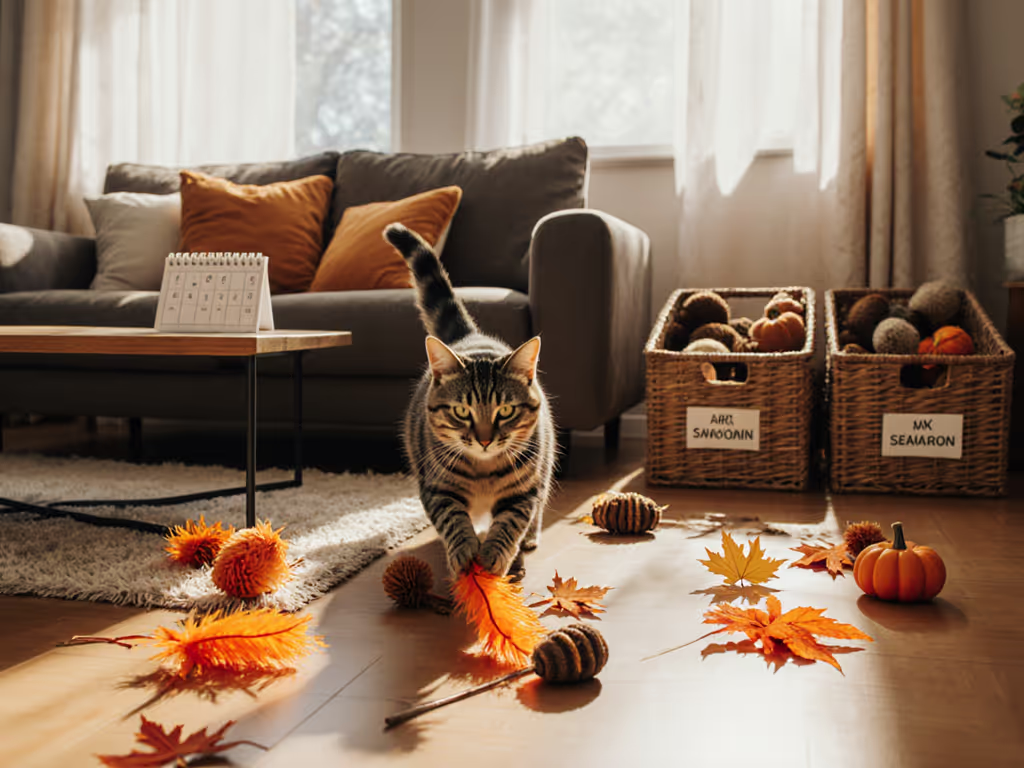
A path that's always identical becomes background. Every 2 to 4 weeks, refresh one element: swap the lure type on your wand, replace the treats hidden along the route, move a shelf position slightly, or introduce a novel texture (a new rug runner in a different fiber). For a simple weekly schedule that prevents boredom, follow our toy rotation plan. This keeps novelty alive without adding clutter.
Respect your cat's fatigue signals. If play dwindles or your cat ignores the path, dial back for a few days. Overstimulated cats disengage; spacing out enrichment sessions (morning and evening, 10 to 15 minutes each) works better than marathon sessions.
Safety and Oversight
Sensory paths work best with casual human presence. Ideally, you're in the room during play (not hovering, but available). This allows you to gauge engagement, prevent tangling (especially with wands), and adjust difficulty if your cat seems frustrated. Long strings left unattended, loose components, or flimsy materials that splinter are liabilities; stick to durable, chew-resistant pieces.
Bringing It Together
When we downsized to a sunlit loft, every sound echoed, and every toy clang reverberated. I rebuilt our play corner with intention: a slim wand, a quiet floor target, and a lidded basket stored nearby. Suddenly, enrichment felt part of the home rather than imposed on it. Our cat played more because the space invited her, not overwhelmed her. Our evenings felt calm again.
Designing a sensory path is an act of both enrichment and restraint. It honors your cat's need for engagement while respecting your need for peace, space, and visual calm. Start with one 4 to 6 foot section, observe what captivates your cat, and let that inform your next iteration. Enrichment should harmonize with your home and routines, not compete with them.
Further Exploration
Consider experimenting with your cat's response to different textures, heights, and toy types over the next few weeks. Log what generates real engagement versus what becomes floor decor. Notice whether your cat prefers solitary play at the path or interactive wand sessions. Track behavioral shifts: Are night zoomies quieter? Is your cat resting more deeply? Use these observations to refine your design. Every cat's path is unique; yours will evolve as you learn what resonates with your specific cat and your home's rhythm.
Related Articles