Arthritis Cat Puzzle Feeder Comparison: Ease & Engagement
By Naomi Chen • 19th Mar
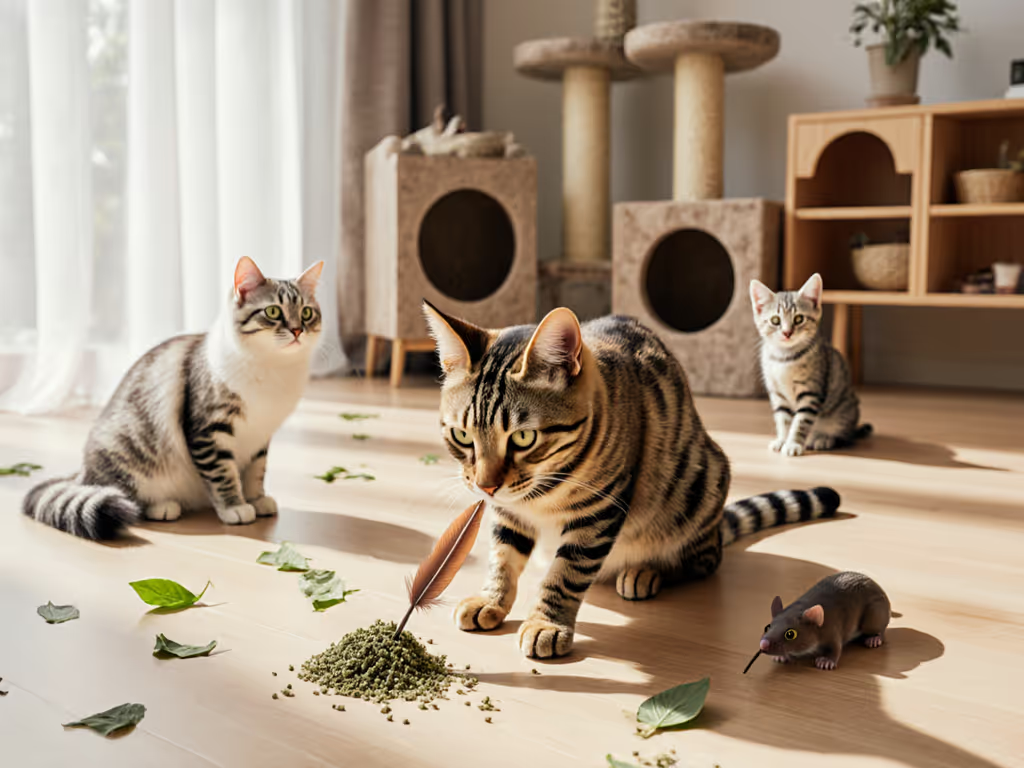
When your cat reaches their senior years, enrichment transforms from entertainment into essential mobility support. An arthritis puzzle feeder comparison reveals which cat treat puzzles offer genuine engagement without requiring painful jumps, forceful paw strikes, or frustrating inaccessible crevices. Sound matters more than you think in this equation too (motorized whirring or loud treats rattling inside can stress arthritic cats who already move cautiously through their space).
Finding the right puzzle feeder for an aging cat isn't about picking the trendiest toy; it's about matching design to capability, creating a calm setup where gentle hunting behaviors remain possible. For a broader overview of matching designs to ability, see our puzzle feeder skill-level guide. Let me walk through what actually works for cats managing joint discomfort, based on real-world usability rather than marketing claims.
Why Puzzle Feeders Matter More for Senior Cats
Arthritis doesn't mean the end of enrichment; it redefines it. Senior cats with joint pain still possess prey drive and mental curiosity; they simply need access designed around their physical limits. A thoughtfully chosen pet puzzle toy converts mealtime into low-impact engagement that keeps muscles active without stress.
Puzzle feeders slow eating pace (reducing digestive upset common in older cats), reduce boredom-driven behaviors, and provide cognitive stimulation without requiring the explosive bursts of energy that traditional wand toys demand. For arthritic cats, this matters more than it does for young, high-energy felines.
The challenge: many puzzle feeders on the market are designed with paw dexterity and mobility assumptions that don't match aging joints. Wide access gaps, low obstacles, and minimal friction become critical.
Key Comparison Criteria for Arthritis-Friendly Designs
When evaluating senior cat puzzle difficulty levels, consider these non-negotiable factors:
Access Width and Height Gaps must accommodate a stiffened paw without requiring the cat to contort their spine or shoulder. Look for designs where obstacles sit low to the bowl's rim (ideally under 2 inches), so arthritic cats can reach food without stretching or pain.
Mobility Demands Does the puzzle require the cat to chase, pounce, or work across a wide footprint? Stationary designs with all activity zone contained in a compact 12-inch radius suit cats with limited range better than sliding or rolling toys.
Friction and Noise Profile Static friction (food catching slightly as the cat paws it out) should feel smooth, not jarring. Metal-on-ceramic or silicone-based obstacles produce far less acoustic shock than hard plastic. When sound design goes unaddressed, anxious senior cats often abandon the puzzle entirely, turning it into floor decor despite good intentions.
Material Comfort Ceramic or silicone-based bowls reduce joint vibration during paw contact. Raised feeders (even 3 inches) alleviate neck and spine strain for cats with cervical arthritis, making the difference between 5 minutes of play and no interest at all.
Cleaning and Maintenance Burden Arthritic cats sometimes need wet food or softened kibble mixed with broth for easier swallowing. Choose designs with wide, removable access for cleaning. Arthritis care already stretches human patience, and complicated disassembly compounds frustration.
Design-Forward Comparison: What the Research Shows
Multiple independent tests across slow feeders and puzzle options reveal which models genuinely serve senior cats. Here's the practical breakdown:
Best for Low-Impact Access: Ceramic Raised Feeders with Fish-Shaped Obstacles
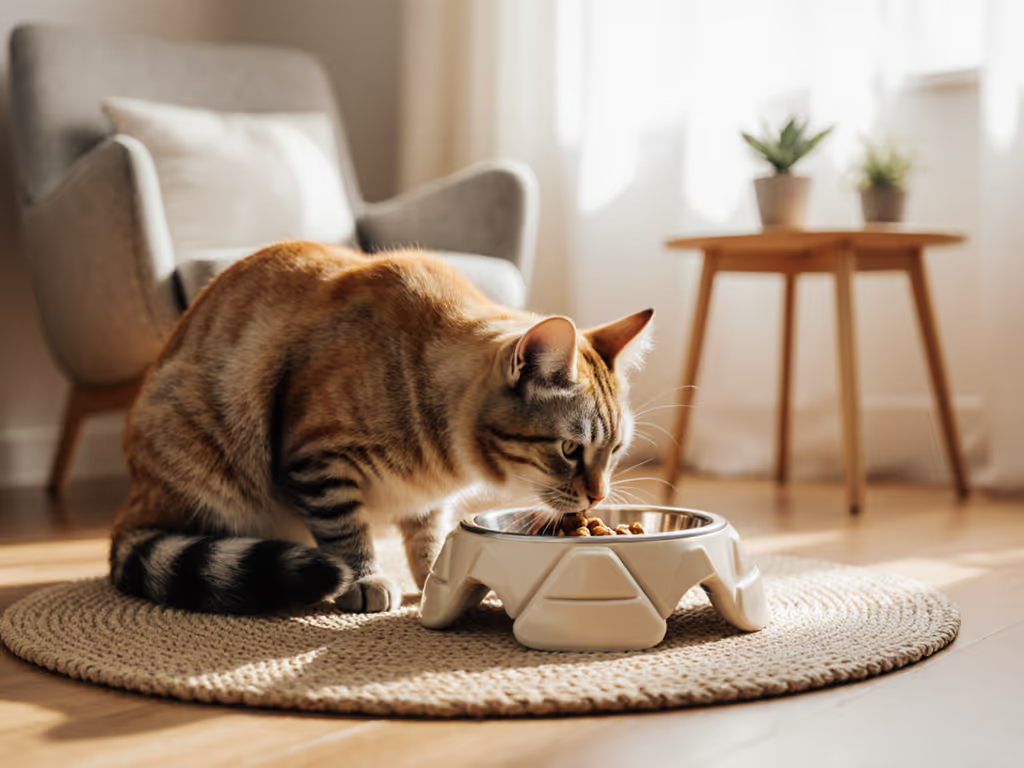
The DDMOMMY Raised Slow Feeder design (ceramic construction with a 3-inch stand) addresses two arthritis pain points simultaneously. Raising the bowl reduces cervical and thoracic strain, while fish-shaped obstacles keep food distributed without high walls. The ceramic material dampens vibration when paws make contact (a detail overlooked in most comparisons, yet crucial for older cats avoiding joint jolts).
Footprint: roughly 10 inches diameter. Storage: upright in a cabinet corner. Noise profile: nearly silent.
Best for Engagement Without Mobility: Silicone Mats with Graduated Ridges
Silicone-based lick mats (such as the LickiMat Casper design) excel for arthritic cats because they require minimal paw pressure. The cat's tongue does most of the work while paws anchor gently. Varying ridge heights mean easier sections exist alongside moderate challenges, so the cat can self-select effort level rather than facing a single difficulty tier that might exceed their capability.
These mats work with wet food, broths, and soft treats (critical for cats with dental sensitivity or swallowing difficulty). Dishwasher-safe materials cut cleaning labor, and the compact 8×6 inch footprint slides into a cabinet between uses.
Best for Multi-Level Progression: Clear Maze Designs with Wide Gaps
CatIt Senses Food Maze models feature transparent walls (which some cats find visually encouraging, since they see the food they're working toward) and wide gaps sized for minimal dexterity demands. The tall, narrow footprint occupies roughly 5 square inches of counter space, reducing visual clutter in compact homes. Puzzle difficulty stems from food dropping through levels rather than locked compartments, so arthritic paws never experience jamming or dead-end frustration.
This design shines for cats progressing toward arthritis (young seniors, early joint stiffness) who still want challenge but benefit from forgiving mechanics.
The Quiet Room Principle for Senior Enrichment
Calm rooms invite play; chaos shuts curiosity down.
Arthritis care in cats mirrors human physical therapy: gentle consistency beats sporadic intensity. A senior cat with joint pain will approach a silent, familiar puzzle more eagerly than a noisy newcomer. This reality shapes material choice across all puzzle types. Learn how to optimize your play environment to reduce noise and encourage calm engagement.
When I downsized our household and rebuilt our enrichment setup, every clang from tossed toys or rattling treats traveled through the loft, creating an anxious sound environment that our older cat actively avoided. Switching to silent mats, ceramic obstacles, and weighted designs (that don't slide unpredictably across hardwood) transformed evenings from avoidance into gentle, consistent engagement.
Noise isn't a luxury detail; it is foundational to whether an arthritic cat will want to use the puzzle at all. Plastic-heavy designs with hollow chambers that amplify treat movement work against older cats' sensory tolerance.
Storage and Maintenance: The Invisible Burden
Arthritis care already stretches owners' physical capacity. A puzzle feeder that requires disassembly, soaking, and multi-step cleaning adds friction to the daily routine. Senior cats benefit from consistency, not sporadic use driven by cleaning dread.
Top contenders for arthritis households:
- Silicone mats: Pop in the dishwasher, air-dry, 2 minutes to reset. Nonslip bases prevent sliding during use.
- Raised ceramic bowls with stands: Stable, simple rinse-and-fill, zero assembly. The stand itself doesn't require tools.
- Transparent maze feeders: Multiple sections but relatively simple interior, with no hidden crevices trapping softened food. Rinse thoroughly between meals if using wet food.
Compare these against motorized or multi-compartment designs that demand careful hand-washing, specific disassembly sequences, and storage in boxes (reintroducing clutter into the home). For organization ideas that keep puzzles accessible without visual noise, see our minimalist toy storage guide.
Low-Impact Enrichment Fits Small Spaces
Many arthritic cats live in urban apartments or shared homes where space constraints already exist. A low-impact enrichment puzzle must occupy minimal physical footprint without sacrificing engagement.
Optimal dimensions for senior-focused puzzles:
- Diameter or length: under 12 inches (fits on a placemat, doesn't dominate counters)
- Height: under 4 inches (easy to reach, doesn't block sightlines across rooms)
- Storage footprint: must fit vertically in a cabinet or closet without stacking other items on top
When a puzzle feeder becomes a permanent fixture on the floor or counter due to awkward storage, visual clutter creeps in. Enrichment should enhance calm, not create perpetual visual noise.
A Framework for Choosing the Right Feeder
1. Assess Mobility Level Does your cat move with full range, or do certain directions (reaching up, rotating spine) show hesitation? Senior cats with hip or rear-limb arthritis need obstacles in their comfortable reach zone, typically the forward and side areas of a bowl.
2. Test Paw Dexterity Can your cat manipulate treats with fine movements, or do they prefer batting and scooping? High-dexterity puzzles suit cats with intact front-paw mobility; scooping-based designs serve cats with rear-limb or spine limitations.
3. Audit Your Home Soundscape Are mornings quiet or busy with household activity? Bedrooms and quiet rooms invite puzzle use; noisy kitchens near barking dogs or vacuum storage repel arthritic cats from enrichment entirely.
4. Map Realistic Usage Will you prep the puzzle daily (favoring wet-food or scattered-kibble designs)? Or do you need a set-it-once option that works for multiple meals? Honest assessment prevents clutter accumulation when good intentions exceed execution capacity.
Beyond the Feeder: Complementary Quiet Enrichment
Puzzle feeders work best as part of a broader routine, not as standalone solutions. For more low-impact options tailored to seniors, explore our gentle play guide for elderly cats. Pair with puzzle toys that require minimal joint stress:
- Silent wand toys with feather attachments (low speed, low jump demand)
- Stationary target mats for gentle pawing
- Treat-hide games in lidded baskets (no chasing required)
This combination (one low-intensity puzzle feeder, one or two quiet interactive options, and one safe self-play toy) covers mealtime, play motivation, and daytime engagement without overwhelming the home or the cat's joint capacity.
What to Avoid for Arthritic Cats
Certain popular puzzle styles underperform for aging joints:
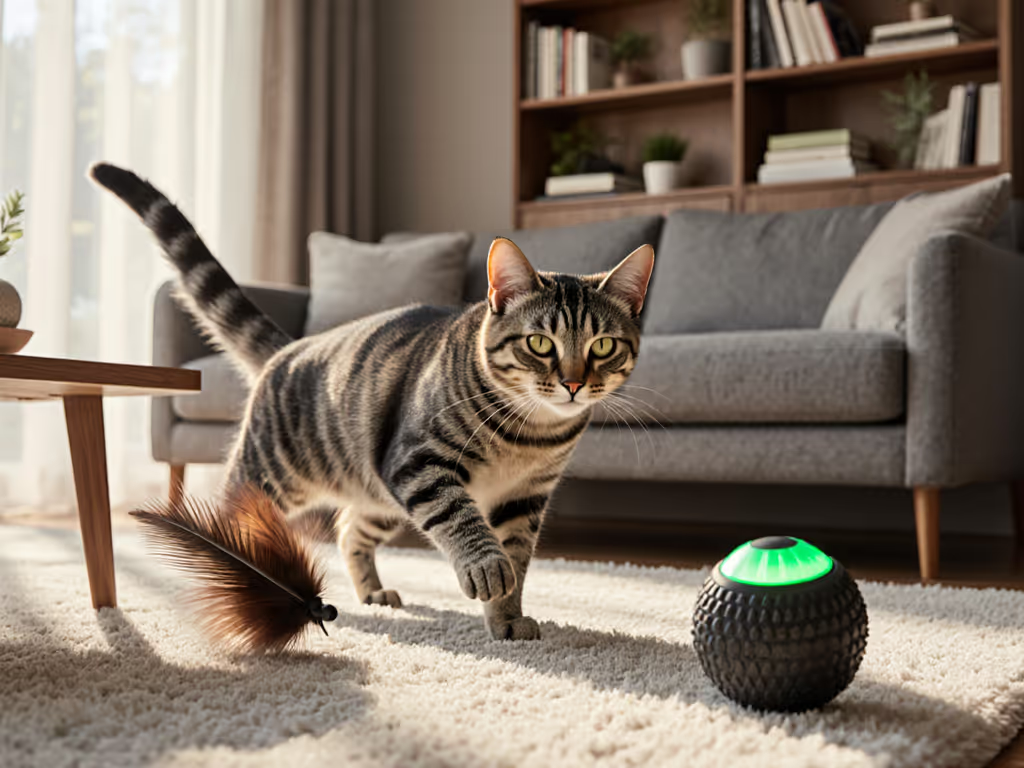
- Motorized treat dispensers: Unpredictable sound, can startle anxious seniors, require battery maintenance
- Rolling or sliding ball feeders: Demand chasing; uncontrolled movement frustrates immobile cats
- Narrow compartments or tiny gaps: Trap senior paws, create forcing behavior that stresses joints
- Heavy plastic with sharp edges: Vibrate loudly on hard floors, uncomfortable on sensitive paws
- Overly tall designs: Require neck extension that strains cervical arthritis
These aren't bad puzzles universally; they are mismatched for arthritic physiology.
Moving Forward: Building Your Senior Enrichment Plan
An arthritis puzzle feeder isn't a one-time purchase; it's the anchor of a rotation system designed for your cat's specific needs. To structure a simple, effective rotation, follow our toy rotation plan. Start by selecting one feeder that matches your cat's mobility profile and your household soundscape. Use it for one full week, observing not just whether your cat uses it, but how (do they approach eagerly or hesitantly?). Do they play for 2 minutes or 10? Does their body language show pain or ease?
Let that real-world feedback guide your next addition. Research doesn't end at product comparison; it continues into how your individual cat responds. Keep notes (even simple ones: "Used 5 min, quiet approach, full meal") to build an evidence-based routine rather than relying on guesswork.
As you explore your options, prioritize designs that quiet your home, reduce joint stress, and fit seamlessly into the storage and maintenance reality of your life. Enrichment should harmonize with your routine and your cat's aging body, not add friction to either. The right puzzle feeder becomes so integrated that calm, consistent play simply happens, turning mealtime into the gentle hunt your arthritic senior still craves.
Related Articles