
Kitten Subscription Boxes: Toys That Grow With Your Cat
By Hana Tanaka • 26th Oct
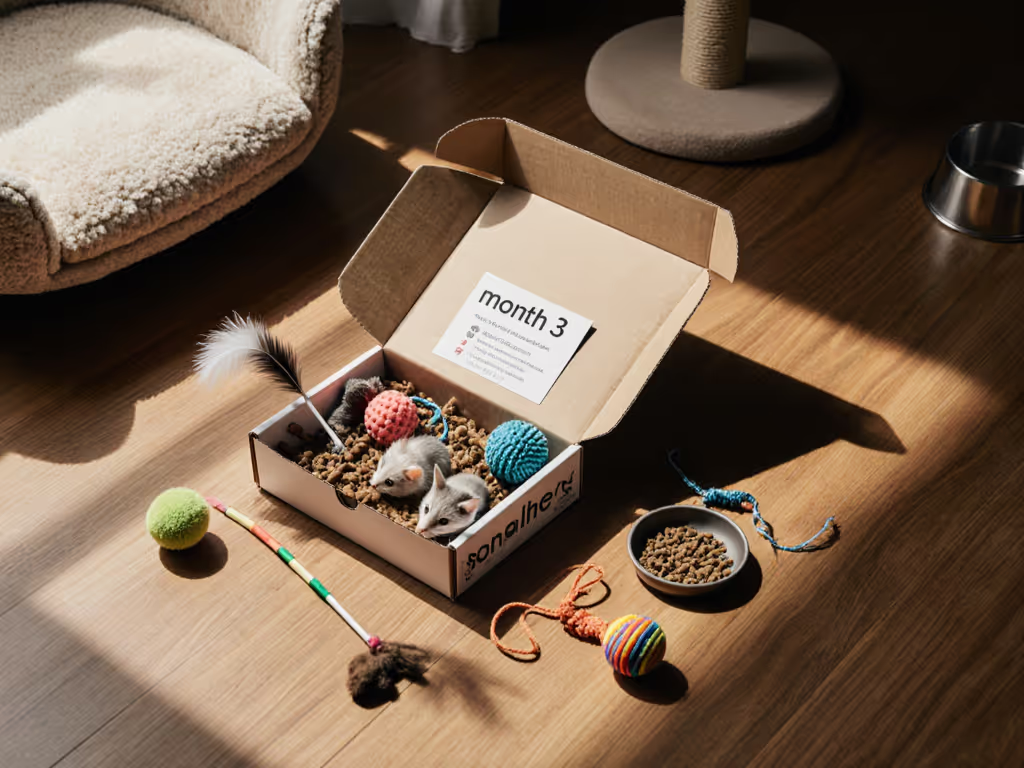
If you've ever watched your kitten ignore an expensive toy after five minutes while batting crumpled paper across the floor, you're not alone. The magic of kitten subscription boxes lies in their ability to deliver fresh developmental stage toys that adapt to your cat's changing needs (not just novelty that gathers dust). Like that shy former street cat who transformed my studio apartment life, I've learned that what kittens truly need isn't more toys, but the right toys at the right time, delivered consistently. Quiet counts more than chaos, and prey-before-petting keeps play purposeful.
Why Most Toys Fail Kittens (And How Subscription Boxes Can Help)
Kittens aren't just small cats (they're rapidly evolving hunters) with specific developmental milestones. What captivated your kitten at 8 weeks might bore them by 12 weeks as their predatory instincts sharpen. Standard toy purchases often miss this progression, leaving you with:
- Sunk-cost frustration from unused purchases
- Toys that don't match current play styles
- Clutter from well-intentioned but mismatched items
A thoughtfully curated subscription box solves this by delivering stage-appropriate playthings when your kitten needs them most. For a breakdown of services that deliver real variety without clutter, see our best cat toy subscription boxes guide. Look for services that either:
"Five minutes daily beats any gadget in the closet."
- Clearly explain which developmental stage each toy targets
- Offer guidance on how to use toys for current skills (pouncing, stalking, biting inhibition)
- Include gentle transition recommendations as kittens mature
5 Developmental Stage Toys That Actually Grow With Your Kitten
1. The "Stalk & Freeze" Starter Kit (8-12 Weeks)
New kittens need soft, quiet toys that build confidence without overwhelming their senses. Avoid noisy bells or aggressive wands that trigger fear. Instead, seek subscription boxes featuring:
- Fleece ribbons that mimic slow-moving prey
- Crinkle paper tubes (low-volume versions) for gentle investigation
- Handheld daubers with soft feathers that encourage tentative batting
Two-minute win: Set your phone timer for two minutes twice daily. Sit quietly 3 feet from your kitten with a soft wand dragged slowly along the floor. No pressure (just let them observe). Most kittens begin engaging within a week when this becomes routine. Remember: prey-before-petting means food always follows successful "captures."
2. The "Bat & Pounce" Builder (12-16 Weeks)
As coordination develops, kittens crave more interactive play. This stage needs toys that build predatory sequences without encouraging biting hands. Subscription boxes should include:
- Wands with replaceable attachments (mouse bodies, feather tufts)
- Soft rolling balls inside quiet tracks
- Crinkle tunnels that fit small spaces
Checklist for success:
- Wand movement mimics real prey (erratic, not constant)
- Session ends with treat reward (never hands-on during play)
- Toys store flat against the wall in 2 minutes or less
3. The "Hunt & Capture" Challenge (16-24 Weeks)
When kittens develop full predatory sequences, they need toys that satisfy the complete hunt cycle. Look for subscription services featuring:
- Puzzle feeders that require batting to release treats
- Self-propelled mice with intermittent movement
- Catnip-filled kick toys for "killing" practice
Gentle coaching tip: During Zoomies hours, place one new toy near your feet while working. Let your kitten "discover" it during natural pauses. This builds confidence through quiet observation (no forced interaction needed).
4. The "Quiet Confidence" Bridge (6-12 Months)
As kittens mature into young adults, many develop noise sensitivities or become overwhelmed by chaotic play. Subscription boxes should transition to:
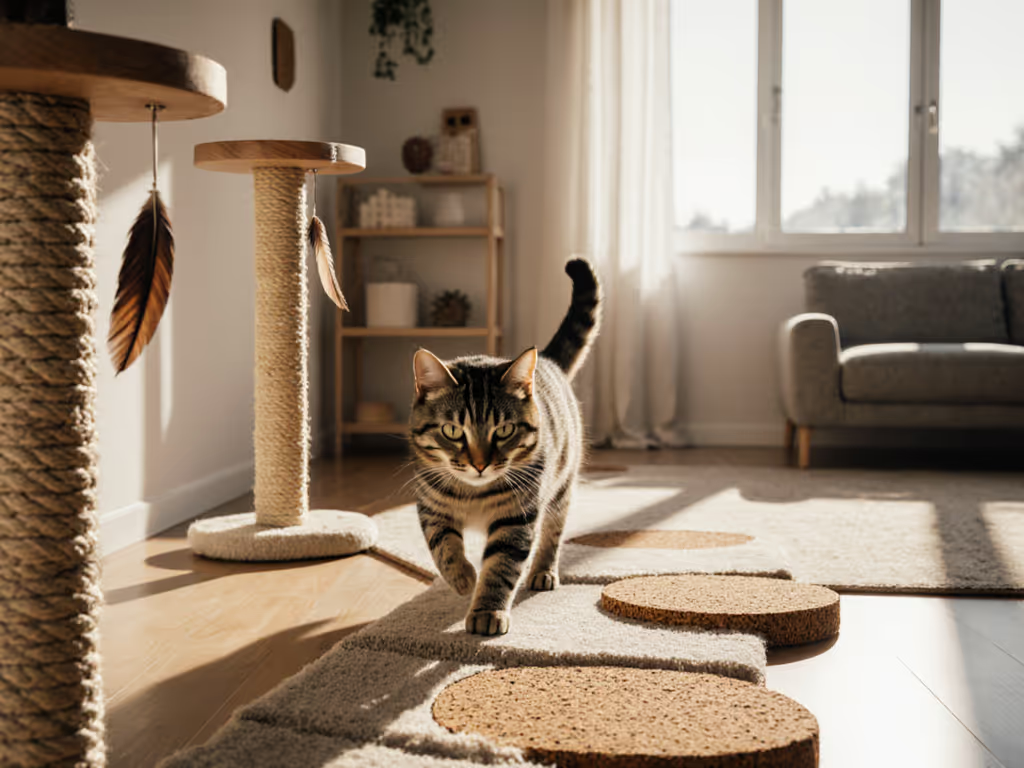
- Self-play mats with hidden pockets
- Low-profile kick toys that don't rattle
- Teaser toys with removable noisy elements
Two-minute win: Place one new toy under your chair during work calls. Let your cat investigate during natural breaks. This builds association between calm environments and satisfying play.
5. The "Customization Sweet Spot"
While subscription box customization sounds appealing, too many options create decision fatigue. The best services offer limited, meaningful choices like:
- "No treats" option for sensitive stomachs
- Size selection based on current weight
- Noise-level preferences (silent, low-crinkle, feather-only)
Avoid boxes requiring extensive quizzes or prey-profile selection (your kitten tells you what they need through their play). Watch for these clues:
- Turning away = needs quieter toy
- Biting hands = needs clearer prey-before-petting separation
- Ignoring toys = needs rotation (see next tip)
Building Your Own Rotation System From Subscription Boxes
Instead of keeping all new toys out, implement this fail-safe system:
- The 3-Box Rule: Divide new arrivals into three categories: Interactive, Self-Play, and Resting (toys being rotated out)
- The 10-Day Cycle: Every 10 days, swap one toy between categories
- The Reset Ritual: When introducing a "rested" toy, drag it slowly through your kitten's path once daily for 2 minutes
This creates novelty without overwhelm, using only 3-5 toys at a time.
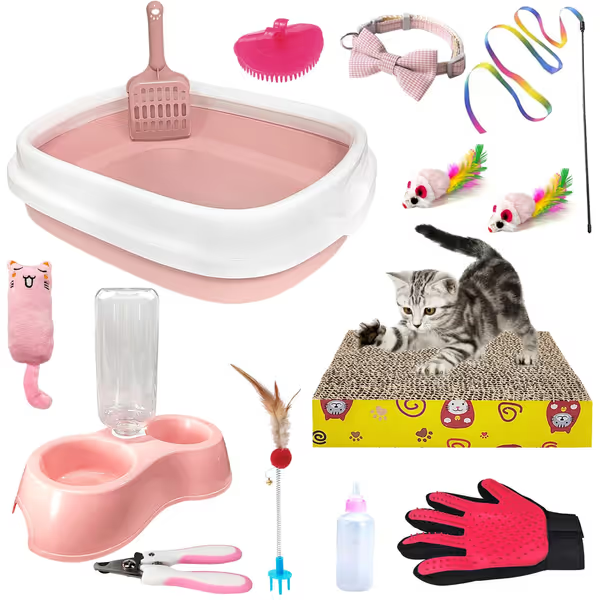
Kitten Starter Kit, 15-Piece Cat Essentials Set
Everything you need to welcome a new kitten home, hassle-free.
$27.99
Pieces Included15
Pieces Included15
Pros
Comprehensive kit simplifies new kitten setup.
Cost-effective solution, great value for money.
Cons
Durability of some items (scratch board, pan) can vary.
Customers find this starter kit perfect for welcoming a new kitten, with everything they need included. The litter box receives positive feedback for its size, color, and ease of cleaning, and customers consider it good value for money.
Customers find this starter kit perfect for welcoming a new kitten, with everything they need included. The litter box receives positive feedback for its size, color, and ease of cleaning, and customers consider it good value for money.
Why Consistency Beats the "Perfect" Toy Every Time
That nervous kitten who hid under my bed taught me the hardest lesson: a $5 wand used daily builds more confidence than dozens of unused toys. Kitten play development thrives on predictable rhythms, not expensive gadgets. If you're wondering why play matters so much, read our guide to why cat toys are non-negotiable for indoor cats. When evaluating top kitten toys or recommended cat toys, ask:
- Can I store this in 30 seconds?
- Does it work in my 10x12 ft apartment?
- Will I use it tomorrow morning during coffee?
The boxes that last aren't packed with the most items (they deliver what you'll actually use consistently). Look for services that include simple play guides with each shipment, not just more stuff.
Your Actionable Next Step
Before subscribing to any service, test this 72-hour method:
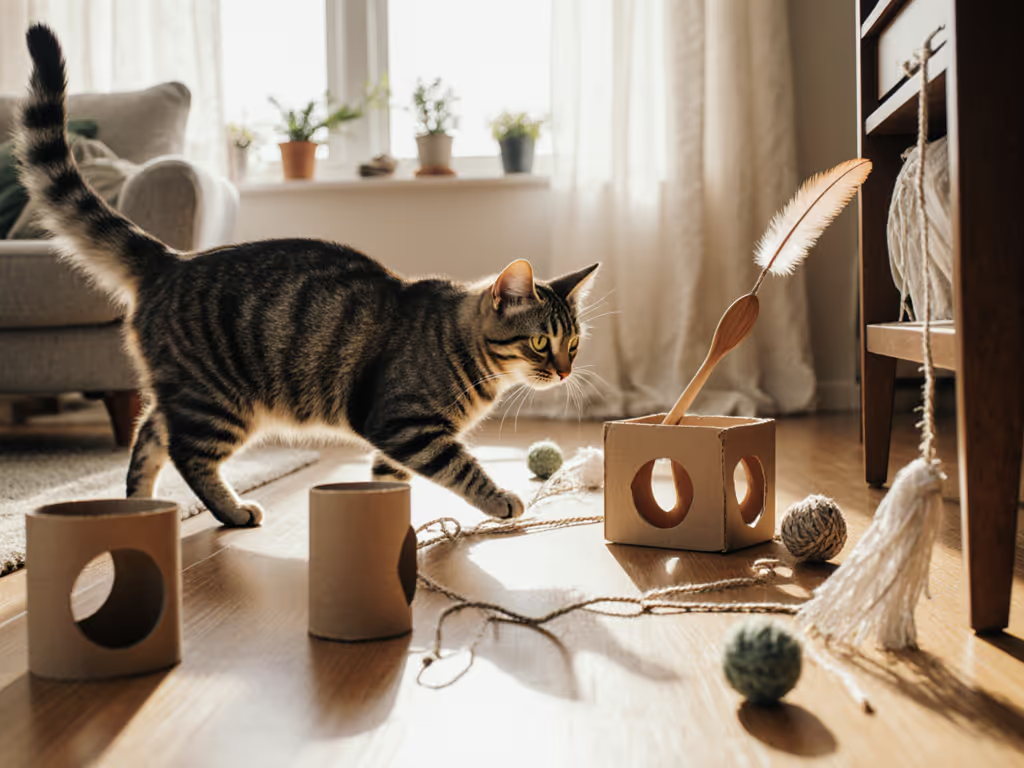
- Day 1: Use a plain cardboard tube (no modifications)
- Day 2: Add one crinkle paper strip inside
- Day 3: Drag it slowly across the floor for 90 seconds
If your kitten engages with even one of these low-stimulus options, they're ready for subscription boxes that build on their existing interests. Start with a single box to test their approach to kitten play development (many services offer 30-day guarantees or first-box discounts).
Remember: your small, consistent efforts create the biggest changes. That shy cat who once hid under my bed now meets me at the door with her favorite wand, proof that quiet counts, and prey-before-petting builds trust one two-minute win at a time. Your kitten's confidence journey starts not with the perfect toy, but with the one you'll use tomorrow, and the next day, and the day after that.
Related Articles