
DIY Scent Enrichment: Quiet Play Beyond Catnip
By Diego Álvarez • 15th Mar
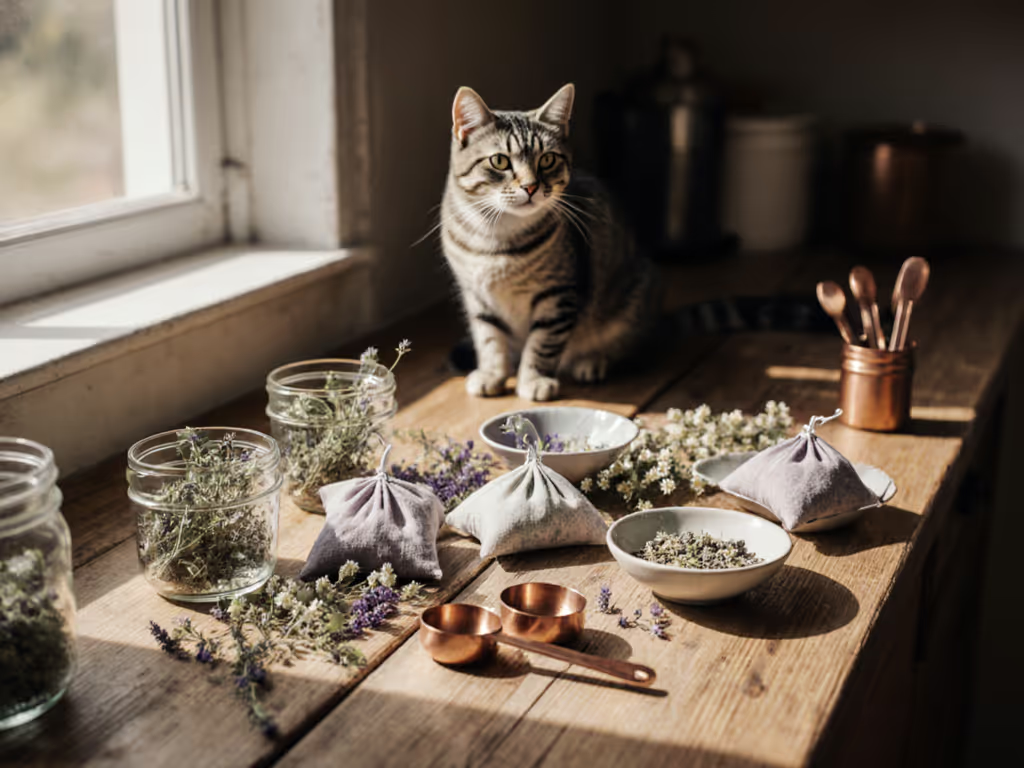
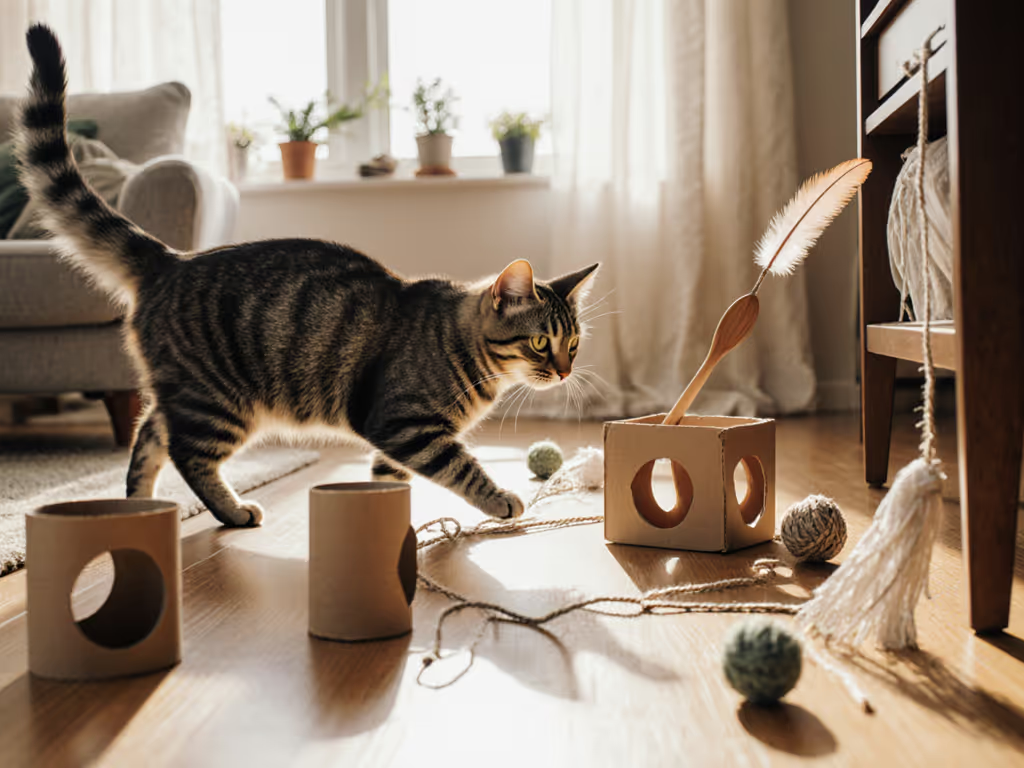
Your cat's nose is extraordinary (roughly 14 times more sensitive than yours), but most toy bins ignore it entirely. Feline olfaction play remains one of the most underutilized forms of enrichment in small homes, yet it offers something rare: engagement without noise. No bells. No motors. No clutter. Just a scent and an open afternoon.
I learned this the hard way. Living in a one-bedroom with a light-sleeping newborn and two cats, I realized our toy collection was working against our home's calm. Most toys overstimulated or went ignored. Then I shifted to enrichment rooted in what cats actually want: hunting through scent. The change was subtle but transformative. By rotating three scent-enriched toys against a small box of classics, I cut our toy footprint by half and cut noise to nearly zero. More importantly, play became predictable and purposeful.
This guide walks you through safe scent enrichment you can make and maintain yourself (a budget-aware way to activate your cat's natural prey drive while keeping your home quiet and clutter-free).
Why Scent Matters More Than You Think
Cats hunt primarily through scent, not sight. A mouse's scent gland tells a cat more than a squeaky toy ever will. In the wild, cats follow odor trails, hunt in silence, and kill based on chemical signatures their brains have wired as "prey."
Yet most domestic cats live in homes where scent play is an afterthought. A toy sits on the floor, unchanged, for weeks. Your cat walks past it. Boredom settles in. Night zoomies begin. The cat then redirects its drive toward your hands, feet, or the coffee table.
Olfactory stimulation for cats reverses this. When you layer scent onto a toy (especially a scent that mimics prey or soothes anxiety), you give the cat's brain the permission and fuel it needs to hunt on schedule. Play becomes a routine, not a complaint. Your cat sleeps better. The furniture stays intact. And quiet matters.
The Phenol Problem: Why Not All Scents Are Safe
Here's what many cat owners don't know: your cat lacks the liver enzymes needed to metabolize certain plant compounds (particularly phenols) that are harmless to you.[2] Essential oils concentrate these phenols to dangerous levels. A diluted oil that seems gentle can accumulate in your cat's body and cause liver damage, respiratory distress, or neurological symptoms.[2]
Cats can absorb oils through:
- Direct contact with fur (even your hands after you've handled the oil)
- Inhalation of diffused particles
- Grooming contaminated fur
This means applying an essential oil to a toy "safely" is not a given. The oil may travel. Review our safe DIY toy guidelines before introducing any scent-based play.
Essential Oils to Avoid Around Cats
Be strict with this list. These oils are not safe for cats, period:[1][2][4]
- Tea tree oil
- Citrus oils (lemon, orange, grapefruit)
- Peppermint
- Eucalyptus
- Clove and cinnamon
- Wintergreen, pine, and sweet birch
- Ylang ylang
- Pennyroyal
- Basil, dill, fennel, geranium, lemongrass, myrrh, nutmeg, rosemary, sassafras, tarragon, and wormwood
If you use any of these oils elsewhere in your home (in a diffuser, skincare, cleaning products), store them where your cat cannot access them and wash your hands thoroughly before touching your cat.[2]
Essential Oils Considered Safe for Cats
When used sparingly, diluted, and with vet approval, these oils pose lower risk:[1][4]
- Cedarwood: Natural insect repellent; supports calm
- Chamomile: Soothing properties; gentle digestive support
- Frankincense: Calming; may ease joint discomfort
- Helichrysum: Skin and coat benefits
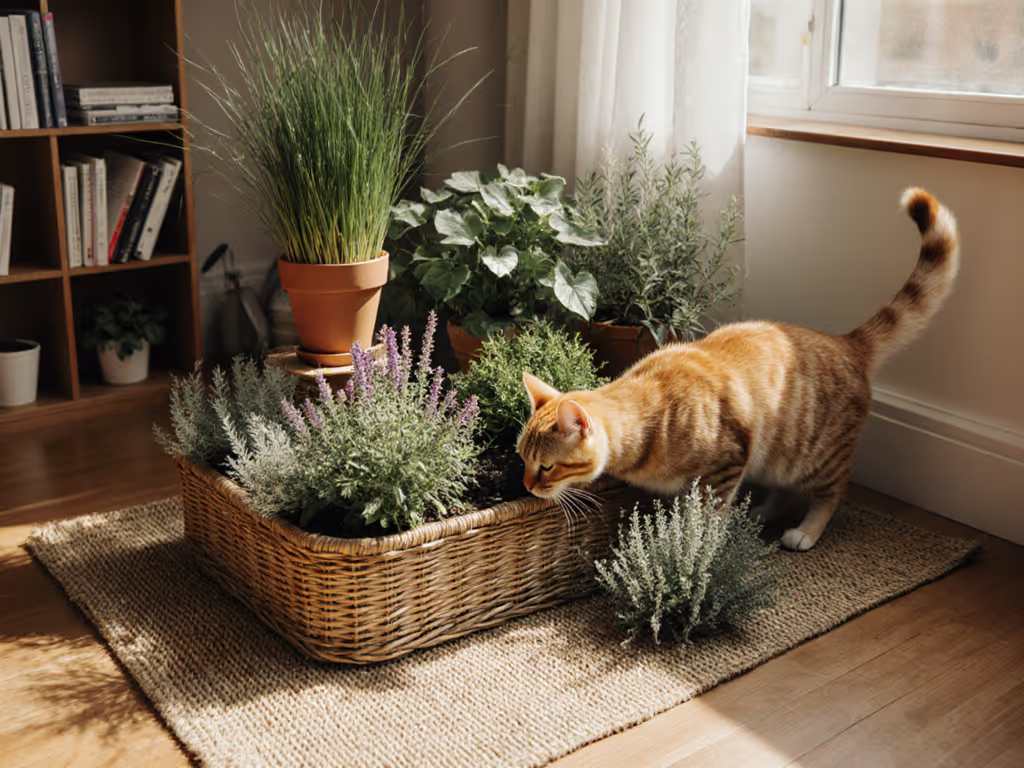
- Lavender: Calming during stressful situations (travel, vet visits, thunderstorms)
- Rose: Gentle calming effect
Critical caveat: Even "safe" oils require dilution and restraint. The concentration in commercial essential oils is far higher than in the plants themselves.[2] A safe plant form becomes risky in concentrated oil form.
DIY Scent Enrichment Methods That Actually Work
Method 1: The Diluted Oil Wand
This is the simplest and most cost-effective approach.
What you need:
- One fabric wand toy (the kind with a replaceable head)
- Carrier oil (coconut or olive oil, pet-safe, inexpensive)
- One safe essential oil (lavender or chamomile recommended)
- A small glass container or dropper
How:
- Mix one drop of essential oil with 50 drops of carrier oil in a small container. Stir well.
- Apply 2-3 drops of this diluted blend to the wand's fabric head only, not the string or handle.
- Let it dry for 15 minutes before use.
- Store the wand in a sealed bag between sessions.
Why it works: The dilution ratio is conservative and vet-approved.[1] The wand lets you control interaction (you're playing with your cat, not leaving a scent source unattended). And here's the budget angle: you can refresh one wand head dozens of times before replacing it. Buy once, play often, repair before you replace. A single carrier oil bottle lasts months.
Method 2: Scent-Infused Fabric Pouches
What you need:
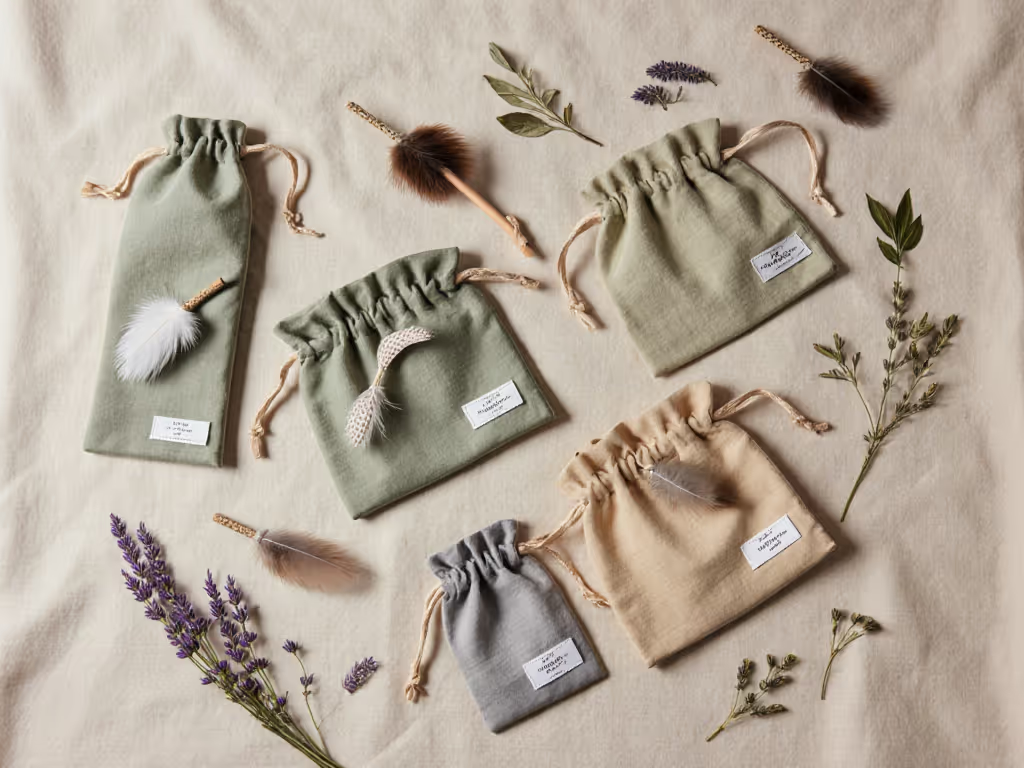
- Small fabric scraps or cotton drawstring pouches
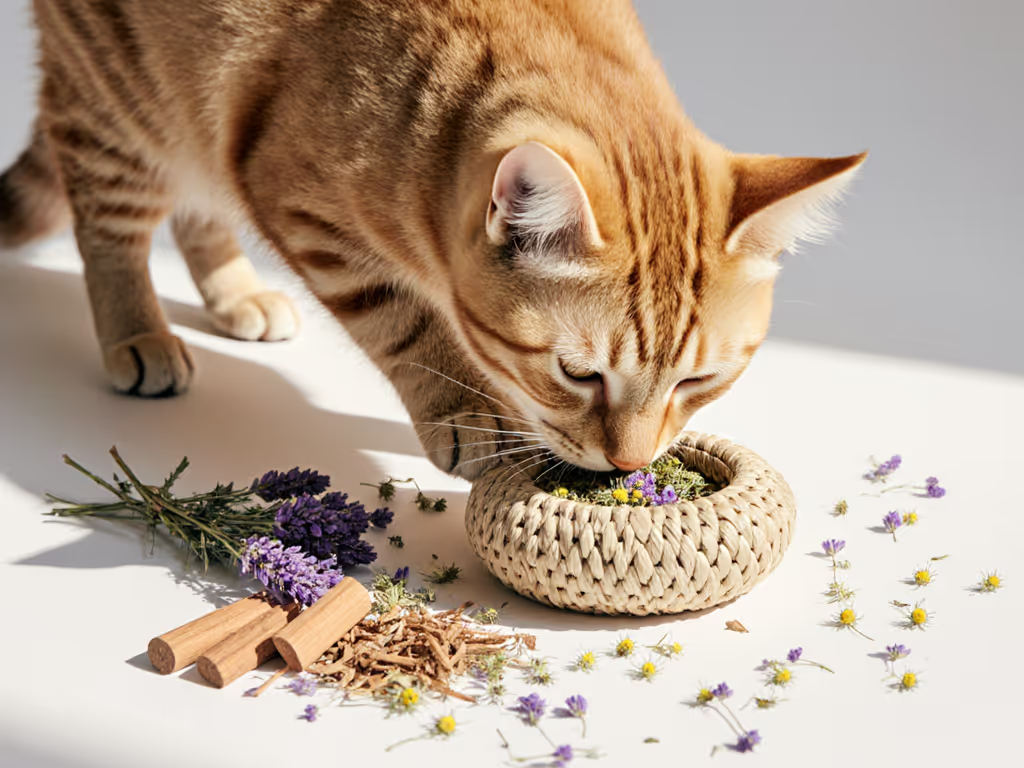
- Dried herbs (organic catnip, valerian root, silver vine; all plant form, not oil)
- A needle and thread (optional; pouches often come with drawstrings)
How:
- Fill a pouch with dried herbs only, no essential oils.
- Seal it tightly.
- Offer it during supervised play, then store it in a sealed container to preserve potency.
Why it works: Dried plant material contains phenols at safe concentrations. Unlike essential oils, your cat can nibble without harm. This method costs pennies and produces zero waste if you compost the herbs after a month's use. For cats that ignore catnip, see our data-driven comparison of catnip alternatives to choose between silver vine, valerian, and more.
Method 3: The Scented Fabric Refresh (Oil-Free)
What you need:
- An old, washable toy (fabric wand, plush mouse, cloth ball)
- Dried catnip or valerian
- A small fabric square or coffee filter
- Elastic band
How:
- Wrap dried herbs in the fabric square; secure with an elastic band.
- Place the bundle inside or attach it to the toy's outer seam.
- Wash the toy weekly to prevent mold. Use our toy sanitizing guide to match cleaning methods to each material.
Why it works: No oils. No risk. Full control. And the repair element: when the herbs lose potency (usually 2-3 weeks), you swap out the pouch and refresh the toy. The toy itself lives for years.
Practical Application: Safety and Consistency
Always start small. Introduce one scent to one toy. Watch your cat for 24 hours. Signs of safe engagement include curiosity, play, and normal behavior. Signs of distress (excessive drooling, sneezing, lethargy, or scratching) mean stop immediately.[1] Consult your vet before continuing.
Never leave scented toys unattended, especially with oils. Cats can knock over bottles, rub against unsealed jars, or chew fabric that's been over-saturated.
Refresh thoughtfully. Re-apply diluted oils or swap dried herbs every 7-10 days. Over time, scents fade and attract dust. Fresh is more engaging and safer. Store toys in sealed bags to keep scents potent and contained.
Rotate your scent arsenal. If you have three wand toys, assign one to lavender, one to chamomile, one to dried valerian. Rotate them daily. Your cat's brain stays engaged. No single toy becomes invisible. Your home stays quiet. For a structured routine, follow our toy rotation plan to keep engagement high without adding clutter.
Cost and Lifespan: The Budget View
Here's why this matters for your wallet and your conscience:
- One carrier oil bottle ($8-12) lasts 2-3 months and supports 50+ play sessions.
- One small essential oil bottle ($10-15) lasts 6+ months if used conservatively.
- One quality fabric wand toy with replaceable heads ($8-12) lives for years; replace heads as needed ($2-4 each).
- Dried herbs ($5-8 per pouch) yield dozens of scent pouches.
Contrast this with the typical pattern: buying a new scented toy every month, tossing it when the novelty fades, and starting again. The landfill grows. Your budget shrinks. Quiet matters, but so does not burying yourself in clutter.
By rotating three to five scent-enriched toys over a year, your total cost is under $50, and your cat gets consistent, safe engagement every single day. That's durability meeting budget.
The Final Verdict
Feline olfaction play is not optional enrichment, it is foundational. Your cat's nose is an underused bridge between boredom and contentment. By building your own scent enrichment toolkit using safe, diluted oils or dried herbs, you avoid the waste of commercial scented toys, sidestep the noise, and create a repeatable routine that fits small spaces and packed schedules.
Start with one wand toy and one safe oil diluted to the 1:50 ratio. Watch your cat hunt as she's meant to. Notice how a 10-minute scent session replaces the chaos of undirected zoomies. Then expand: add a dried herb pouch, rotate in a fabric refresh, layer in your cat's second prey preference (bird? rodent?).
The goal is not novelty: it is reliability. Your cat shouldn't need a new toy each week. She needs the same reliable toys, refreshed and rotated, so her brain stays active and her world stays calm. That's the philosophy: buy once, play often, repair before you replace. It works for budgets, for the planet, and for the kind of home where both you and your cat can rest when you need to.
Quiet, enriched play is within reach. It starts with scent.
Related Articles