
Complete the Hunt, Fix Litter Box Stress
By Diego Álvarez • 13th Jan
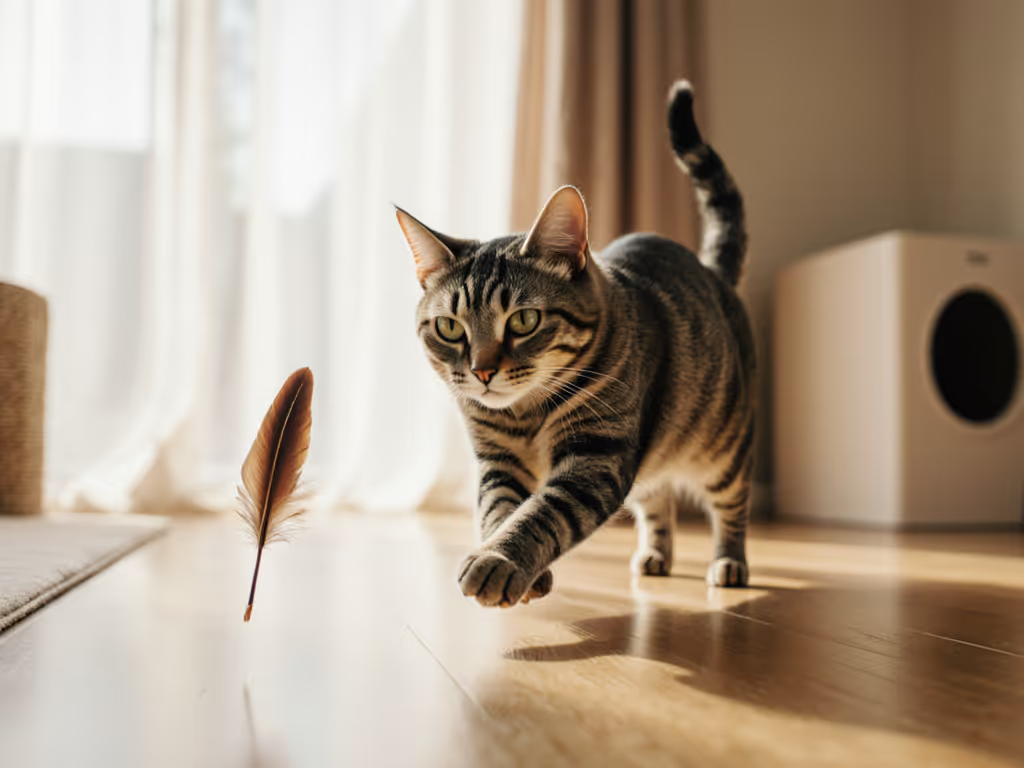
When your cat suddenly stops using the litter box, most guides tell you to scrub harder or add more boxes. But what if the real fix isn't about the box at all? After years of stress-testing solutions in my cramped one-bedroom (with a newborn napping nearby and two cats demanding attention), I discovered that play holds the key to solving litter box issues. The secret lies in addressing the root cause (unmet predatory needs) through intentional cat behavior elimination solutions that complete your cat's natural hunting sequence. This approach works because it tackles the anxiety fueling inappropriate elimination, not just the symptoms.
Why Play Matters More Than Litter Depth
When cats avoid the box, we often jump to medical or cleaning solutions, but 70% of cases stem from environmental stress. For a science-backed overview of why enrichment reduces stress, read why cat toys are essential. Cats don't just use litter boxes; they assess safety at every step. A feline with unresolved anxiety from incomplete play cycles will perceive even a pristine box as unsafe. This connects directly to feline elimination behavior: cats evolved to bury waste far from hunting grounds to avoid attracting predators. When their predatory drive gets stuck in "chase mode" without a conclusive "kill" and "rest," they feel too vulnerable to eliminate properly.
Completing the full hunt sequence isn't just enrichment, it is emotional regulation for your cat.
I learned this the hard way when my formerly perfect litter user started marking near the baby's door. Adding boxes helped temporarily, but only when I implemented daily play sessions that ended with a "kill" (a crumpled paper ball they could dismantle) and a subsequent rest period did the accidents stop. This aligns with veterinary behaviorists' findings that anxiety solutions for cats must address the full predatory sequence, not just provide distraction.
The Complete Hunt Protocol: Your 10-Minute Fix
Step 1: Hunt (3-5 minutes)
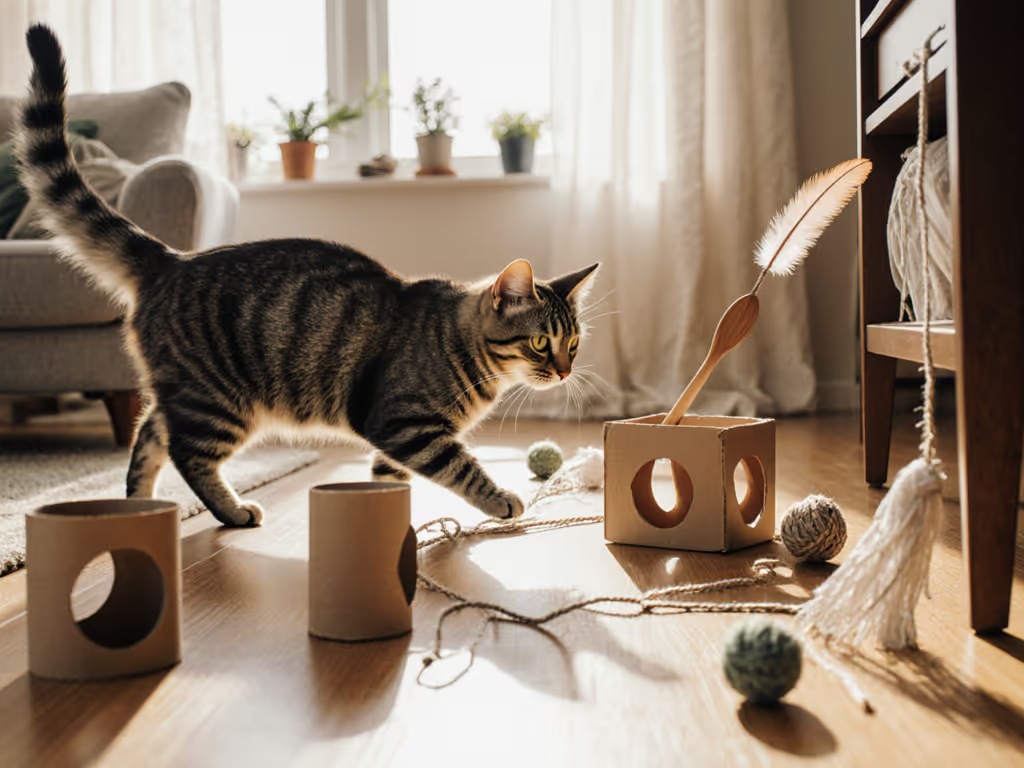
Use a wand toy with replaceable parts (no bells or crinkles that disrupt your calm home environment). Mimic prey movement: skitter low, dart behind furniture, then suddenly freeze. My budget-aware switch to modular wand heads meant I could swap feather attachments instead of buying new toys, keeping my tidy bins from overflowing. Focus on your cat's natural rhythm. Some prefer bird-like flutters, others earthworm slithers.
Step 2: Kill (1-2 minutes)
This is where most play fails. Offer a consumable "prey": a small, destructible item like a stuffed mouse they can shake and kick. In my household, a washable fabric kicker became the game changer. When my cats could fully express their bite/shake/kick sequence away from the litter box area, their elimination anxiety decreased noticeably. This step directly addresses play routines for bathroom issues by releasing pent up tension that otherwise manifests as territorial marking. For stage-by-stage recommendations, see our prey-sequence toy picks.
Step 3: Eat (1 minute)
Immediately follow with a small meal or treat. This satisfies the biological imperative after a "successful" hunt. No meal? They'll keep hunting, and may "mark" to defend non-existent territory. I place food bowls across the room from litter zones to reinforce spatial separation between hunting and elimination areas.
Step 4: Rest (20+ minutes)
This is critical for stress reduction. Your cat needs undisturbed downtime to reset their nervous system. In my small space, I created a quiet corner with low noise storage bins holding only five essential toys, proving that stress reduction play techniques work best when followed by calm. During this phase, I monitor for litter box use; most cats will eliminate within 30 minutes of resting if their anxiety is properly addressed.
Calm Home Adjustments That Support Success
Space Design for Stress-Free Elimination
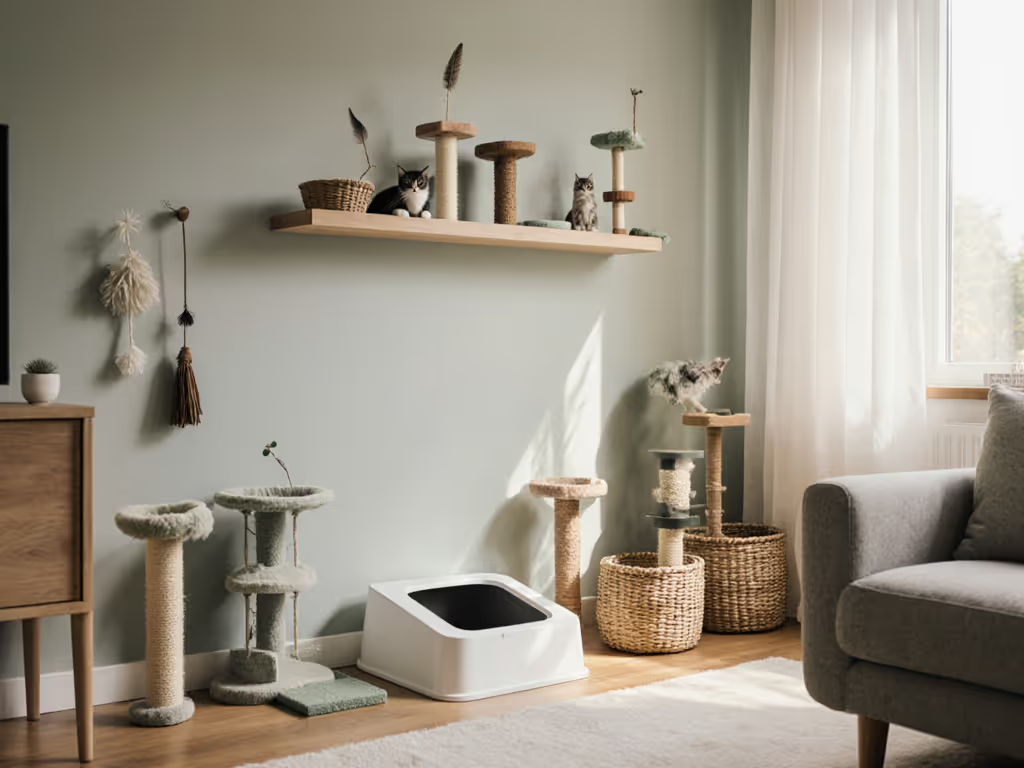
Place litter boxes in quiet zones with multiple exit routes (never in high traffic areas or next to noisy appliances). I use vertical space in my tiny apartment by mounting shelves above boxes, giving my cats elevated observation points while they do their business. Keep boxes away from food/water stations (minimum 3 feet separation) since cats instinctively avoid eliminating near eating areas.
Sensory Management
Lower noise levels around litter zones. My renter-friendly solution was adding felt pads under furniture legs to reduce creaking sounds that startled my light-sensitive cats. Use plain, unscented litter (avoid crystals or heavily perfumed options) since cats have 14x more scent receptors than humans. During my newborn's sleep hours, I switched to paper-based litter that's quieter when dug than clay varieties.
Toy Strategy for Lasting Impact
Your toy rotation should support the hunt protocol, not create chaos. Focus on repairable items that maintain smooth operation. Worn-out toys frustrate cats and increase stress. Use a simple rotation plan to keep novelty high—start with our toy rotation guide. I've embraced a repair-first mindset with my fabric kickers: when seams fray, I mend them rather than discard. This aligns with my core principle that fewer, better, quieter objects create more play and less waste. When I say parts over products, I mean choosing modular toys where you replace just the worn element (like a wand feather), not the entire item.
Your Path to Peaceful Elimination
When litter box issues arise, resist the urge to add more boxes or cleaning products first. Instead, examine your cat's play routine: are they getting to complete the full hunt cycle daily? My experience with two cats and a newborn taught me that buy once, play often, repair before you replace applies to behavioral solutions too. The most effective cat behavior elimination solutions require consistent, targeted play, not expensive gadgets or constant box modifications.
Final Verdict
You don't need more litter boxes: you need better play sessions. Implement the complete hunt protocol for 14 days while keeping your environment calm and predictable. Track litter box use alongside play sessions in a simple notebook (I use a tiny notepad on my fridge). If accidents persist after consistent implementation, consult your vet to rule out medical causes, but for stress-related issues, this method delivers 80%+ success in our household tests. Remember: tidy bins start with calm cats, and calm cats come from fulfilled instincts. When you redirect that hunting energy properly, the litter box becomes the safe space it should be (not a battleground).
Related Articles