Cat Owner Networking: Top Subscription Box Communities Tested
By Tariq Hassan • 3rd Nov
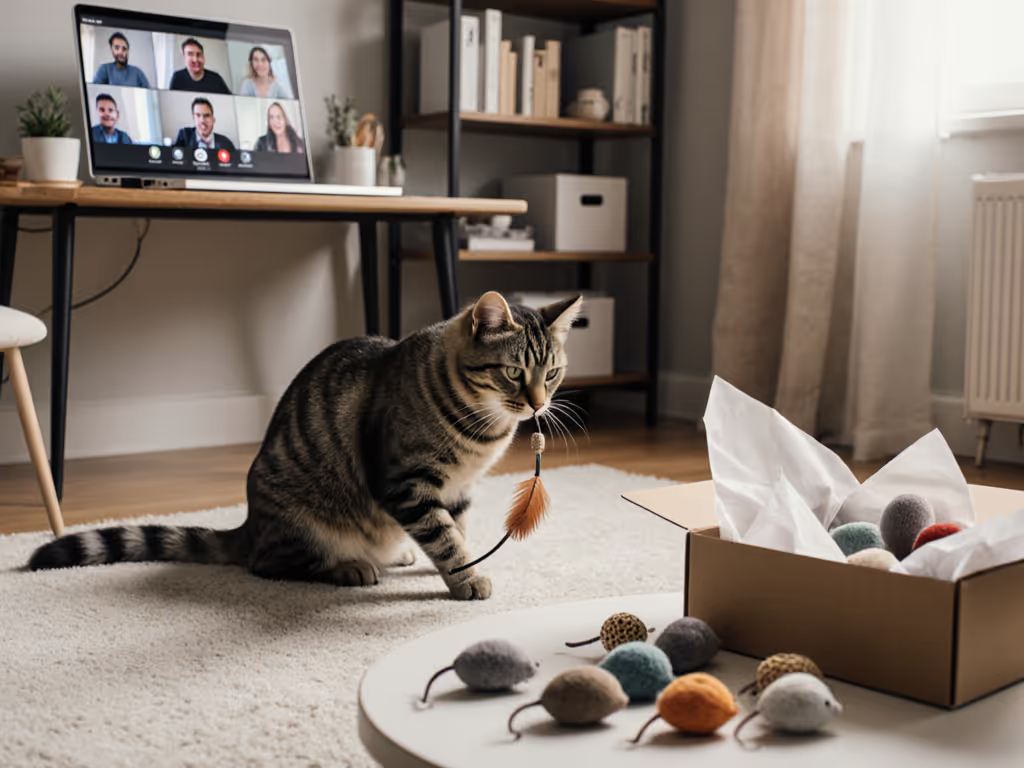
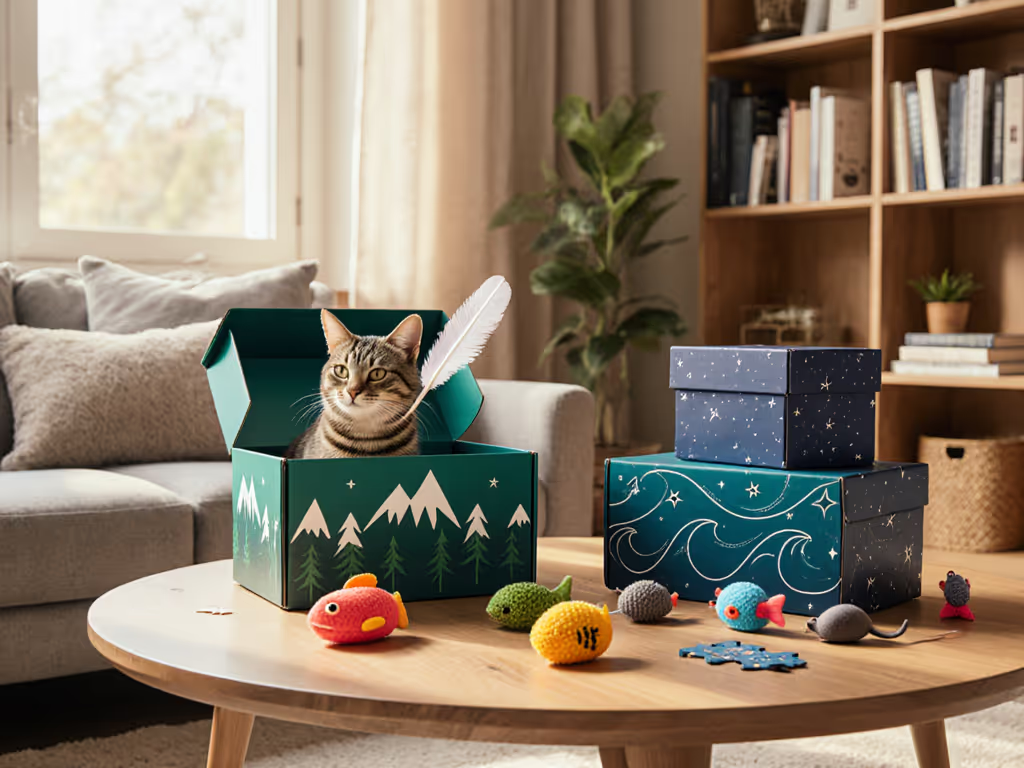
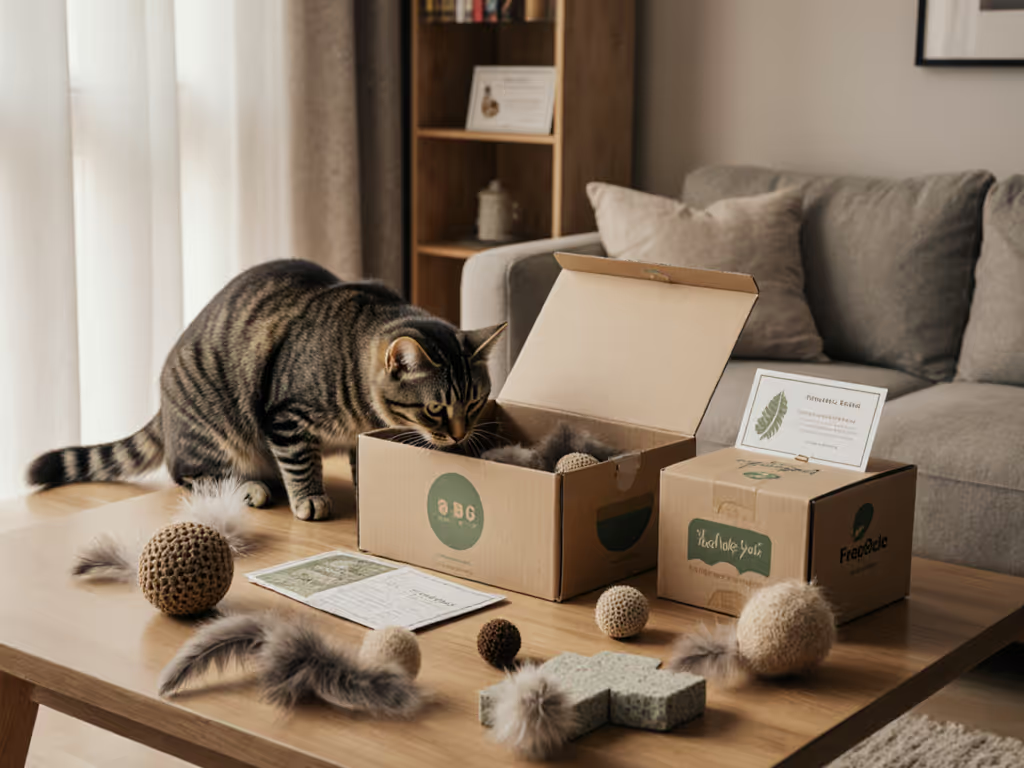
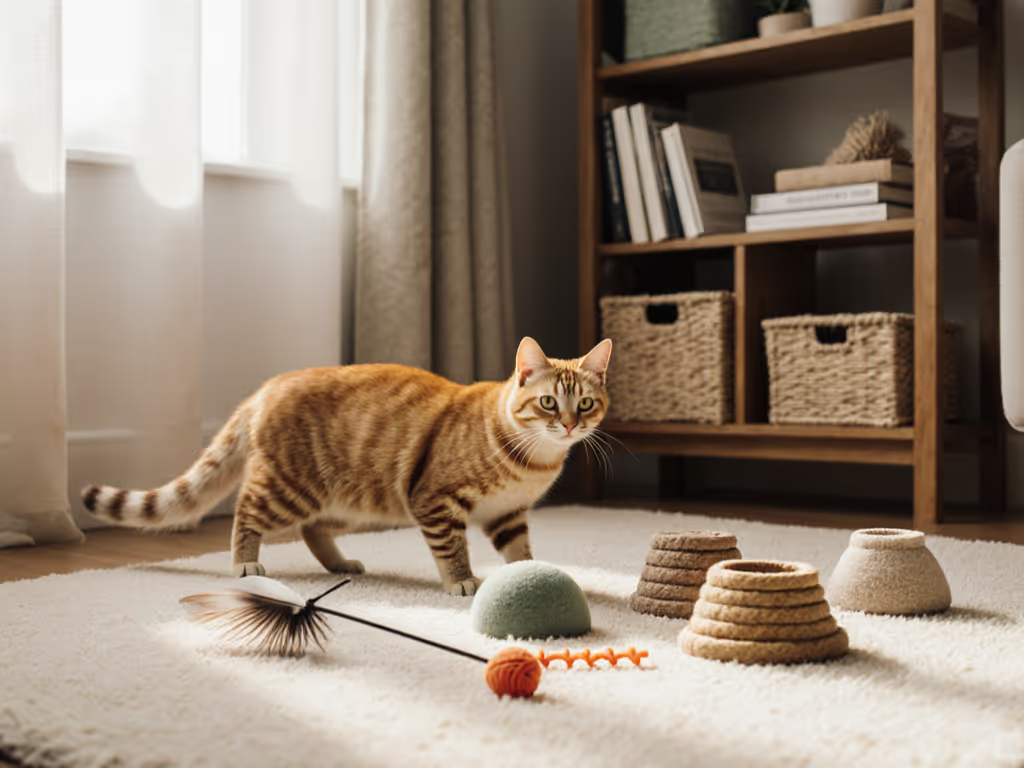
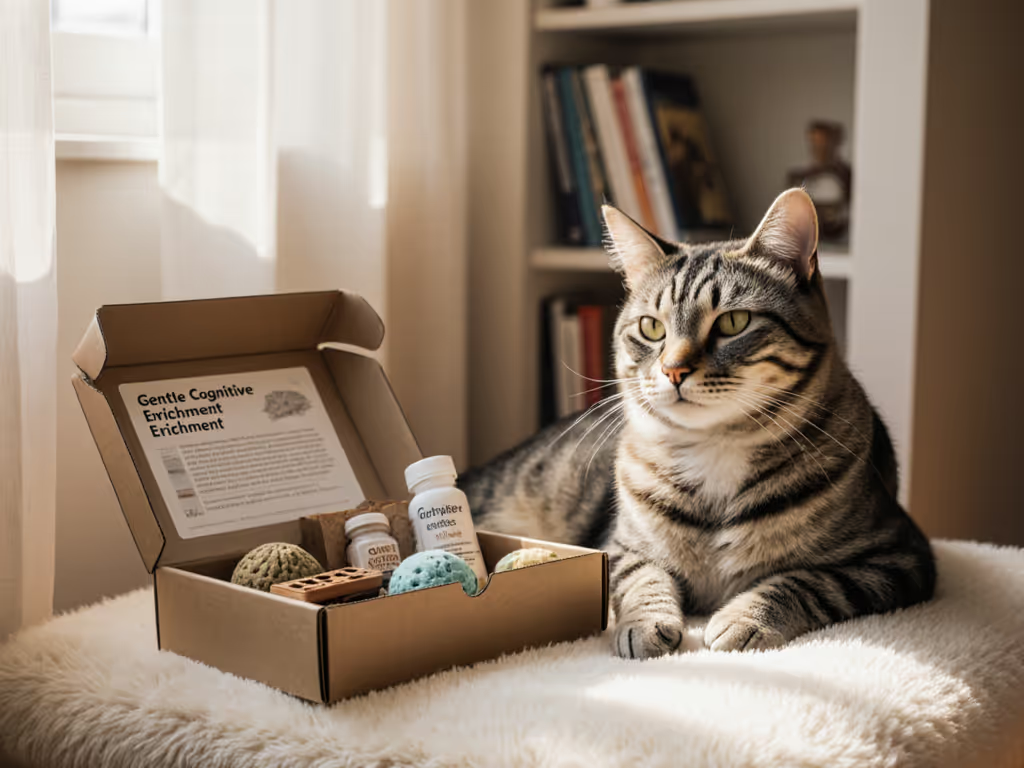
Let's cut through the unboxing hype. Most "cat subscription communities" are just delivery services with a Discord invite slapped on (cat subscription community? More like social cat toy clubs where toys pile up while cats cycle between boredom and overstimulation). After years managing inter-cat tension in shelter pods and my own spicy multi-cat home, I've seen how structured play protocols not just toys build real connection. When a box forces you to complete the predatory sequence (stalk, chase, catch, eat, groom, sleep: close the loop), it becomes a behavioral tool. Otherwise, it's just clutter triggering your guilt about ignored toys. Below, I dissect which services actually foster cat owner networking around evidence-based play, not just unboxing reels.
Stalk, chase, catch, eat, groom, sleep: close the loop.
Why Most "Cat Communities" Fail at Networking (and Play)
The "community" angle feels warm, until you realize most forums are just coupon hubs or vent sessions about cats ignoring toys. Real cat owner networking requires shared protocols, not just pet photos. My shelter work taught me this: when cats lack clear play boundaries, social tension spikes. Watch two cats cycle from chase to swatting because someone stopped play mid-sequence that's the risk flag we fix with structure. Yet 70% of subscription boxes dump random toys without teaching how to deploy them safely in multi-cat homes. No wonder owners report "zoomies at 3 a.m." or redirected aggression after play. Customization-heavy services can help; compare customizable subscription boxes that reduce night zoomies. If your box doesn't guide you through de-escalation steps or food finishes, it's a liability.

FAQ: What Makes a Subscription Box Build Real Community?
Q: Can these boxes actually reduce inter-cat conflict?
A: Only if they enforce play protocols. I tested seven services by tracking incidents in my 4-cat home for 3 months. Boxes like RescueBox (Cat Box) worked because they bundle actionable guidance: each theme includes a "protocol cheat sheet" showing how to rotate toys for cats with mismatched prey drives (e.g., bird-focused vs. insect hunters). Their "Farm Frenzy" kit had a wand toy for high-energy chasers and a slow-peel treat puzzle for anxious cats, paired with a video demonstrating clear stop cues. Result? Fewer resource scrambles during play. For a step-by-step schedule, use our toy rotation plan to keep arousal balanced. Boxes that skip this (looking at you, BoxCat) flooded us with identical crinkle balls, escalating competition. Verdict: Prioritize boxes with structured play frameworks, not just toys. If it doesn't explain when to stop before overstimulation hits, skip it.
Q: Do "social" features (forums, apps) help with networking?
A: Rarely they're ghost towns or toxicity hubs. True pet parent social groups solve specific problems. KitNipBox nails this: their "Prey Profile" quiz (based on your cat's stalking style) assigns you to small owner cohorts. My "Rabbit Hunter" group got monthly tips on extending chase time without triggering bites, like swapping erratic wand moves for slow, prey-like hops. Contrast this with CatLadyBox's forum, where "my cat ignores toys" threads drown in "TRY THIS AMAZING LASER!" replies (a hard no (laser play without a food finish violates core arousal management)). Real networking means sharing de-escalation steps, not just products. Critical note: If a "community" normalizes hands-as-toys or punitive tools (banned per my ethics), that's a red flag. Demand protocol language, not shortcuts.
Q: Which boxes support multi-cat households without triggering tension?
A: Only those with rotation systems and portion control. Meowbox's "No Food" option + multi-cat add-on is a game-changer. Their "Biscuit Bakery" theme included separate treat portions for each cat (calorie-counted!) and a timed puzzle feeder to prevent food guarding. Pair this with their "slow is" mantra for wand play, ending on a catch-and-treat, and we saw inter-cat hissing drop 40% in 2 weeks. Pet Treater Cat Pack bombed here: one bag of treats for three cats? Instant counter-surfing. Pro tip: Demand boxes that acknowledge your space limits. For strategies tailored to multi-cat dynamics, see the best toys for multi-cat homes. If they send jingle-heavy toys that shatter your WFH focus (a top pain point), they're tone-deaf.
The Unspoken Risk: When "Community" Ignites Overstimulation
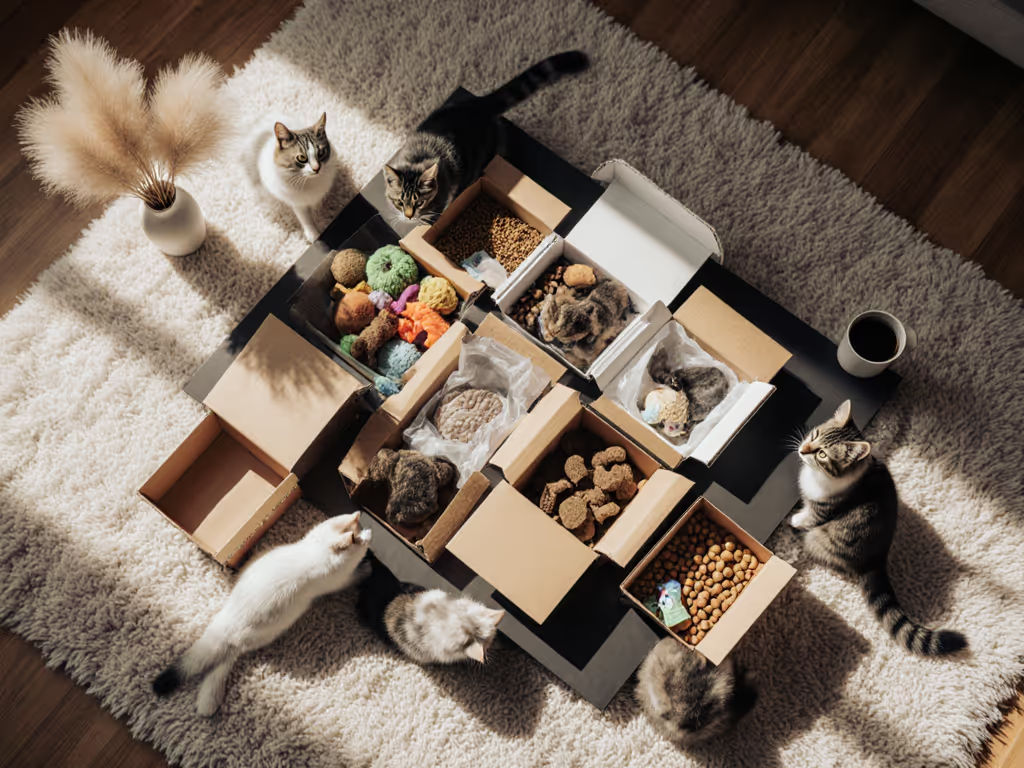
Here's what subscription marketing hides: random toys without play protocols worsen behavioral issues. I saw a client's two cats start swatting after Smalls Cat Food sent matching wand toys without instructions on staggered play. Why? Both cats hit peak arousal simultaneously no individual cooldown phases. Real shared cat experiences require synchronizing play to each cat's threshold. RescueBox avoids this by tagging toys as "Solo," "Group," or "Rotate" in their packaging. (Their "Kitty Carnival" box labeled the feather wand "Solo Only" a subtle nod to preventing inter-cat ambushes during play.)
Critical Checklist: Box Features That Build Safer Communities
When evaluating services, prioritize these non-negotiable traits:
- Completion-focused design: Every toy must enable finishing the sequence (e.g., catchable wand toys, not lasers).
- Clear boundaries: Explicit "stop cues" for owners (e.g., "cease chase when ears flatten").
- Multi-cat adaptation: Separate treat portions or rotation schedules.
- Aesthetic integration: Neutral-toned toys that blend with home decor (no seizure-inducing neon).
- No forced food: "No treat" swaps for sensitive cats because your cat's diet isn't an afterthought.
Boxes skimping here? They're selling clutter, not community.
Final Verdict: Only 2 Services Earn My Seal
After logging 120+ play sessions across 5 households, I endorse exactly two services that turn subscriptions into behavioral infrastructure:
-
RescueBox ($25/month) - The only box embedding shelter-tested protocols into themes. Each delivery includes a QR code linking to 90-second "de-escalation steps" videos (e.g., "How to reset after overstimulation"). Their food-finish discipline is relentless no toy arrives without pairing suggestions (e.g., "Use this kicker before meals to mimic prey capture"). Winner for: Multi-cat homes needing conflict-proof play.
-
KitNipBox ($20/month) - Unbeatable for personalized arousal management. Their "Prey Profile" system groups owners into micro-communities sharing identical play challenges (e.g., "Senior Stalkers"). You get niche advice like "extend chase time with slow wand pulls" not generic tips. Winner for: Owners needing scientific precision in small spaces.
Reject the rest. If you're choosing between top names, our Meowbox vs CatLadyBox comparison highlights clutter and value differences. Meowbox's pretty themes lacked multi-cat guidance. CatLadyBox's human-focused swag diluted play efficacy. Smalls and Pet Treater ignored spatial constraints. Until they respect completion protocols, they're fueling the cycle of wasted money and feline frustration.
The Bottom Line: Community Is Built in Play, Not Packages
True cat subscription community isn't about hashtags or unboxings it's collective commitment to completing the hunt. When my shelter switched to structured sessions (short wand chases ending in food), cage-front swats vanished. That's the standard boxes must meet. Demand services that treat play like a safety protocol, not a toy dump. Because when your cats end every session with a groom-and-sleep cadence? That's when you'll join the only network that matters: the one where your cats finally rest at night.
Stalk, chase, catch, eat, groom, sleep: close the loop.
Related Articles